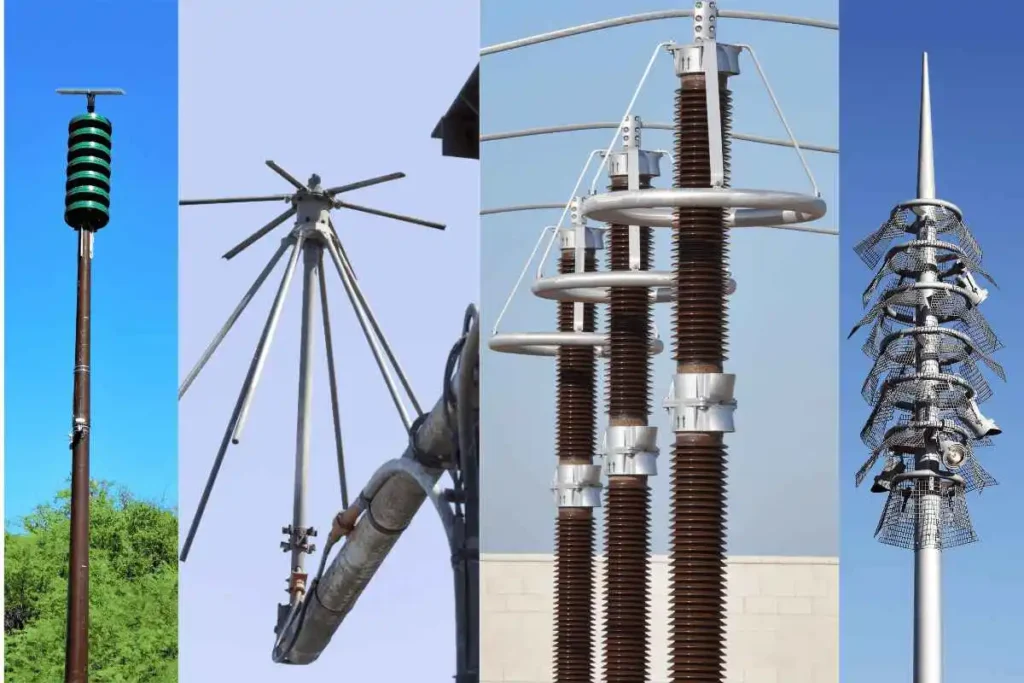
What is Oil Circuit Breakers: Working, Types, and Applications
When it comes to electrical systems, circuit breakers are true unsung heroes of safeguarding equipment and ensuring the safety of personnel during a fault. Of the numerous classifications, it is specifically the oil circuit breaker that is distinctive for using oil as a choice of arc-extinguishing and insulating material.
This breaker, which has been a backbone of power distribution systems for decades, is known for its reliability in high voltage applications. But how does it actually work, and why is it so powerful? In this article, we are going to deep dive inside oil circuit breaker, understand its working principle, advantages and role in modern electrical network. This guide will undoubtedly make it easy to understand not just for professionals associated with the industry but also for many inquisitive souls that are looking forward to the whole idea.
What is Oil Circuit Breaker (OCB)?
An oil circuit breaker is the type of circuit breaker which use an insulating—oil to quench the arc produced by interruption of fault current. The oil is mostly used for two reasons:
- Arc Formation: When contacts open during a fault an arc develops. It absorbs the heat produced by the arc and breaks it, preventing further ionization of the oil.
- Insulating: The oil serves as a dielectric medium, which insulates the contacts and passes electrical breakdown.
Oil circuit breakers are found primarily on higher voltage systems, including power grids and industrial arrangements that require the transfer of high fault currents. Iterable for both indoor and outdoor applications.
Typical construction of this Breaker consists of an oil-filled tank, arc extinction chamber with fixed and moving contacts and operating mechanism. When a fault is detected, the contacts open automatically and divide an arc caused between them in oil thus guaranteeing a safe interruption of the circuit. With its solid construction and reliable performance, it has become a popular choice for global power distribution systems.
Construction of Oil Ckt Breaker
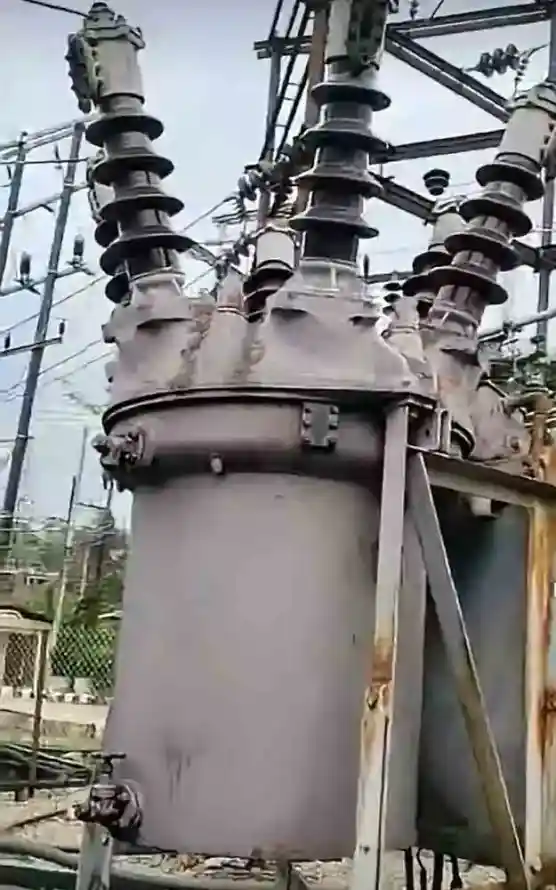
Concept an oil circuit breaker (OCB) construction presents both a complex design to provide effective fault interruption while allowing reliable operation with minimal loss in high voltage electrical systems. From arc extinguishing to insulation and control — each component is crucial in the function of the breaker. Now we will discuss the step by step construction of an oil circuit breaker in detail.
Tank (Oil Chamber)
The tank is the main body of the oil circuit breaker.
- Function: It contains the insulating oil and serves as a chamber for the internal equipment such as contacts and arc control.
- Material: Made of high strength steel or other solid materials designed to survive excessive pressure and mechanical strain.
- Design: Tank is designed for oil leakage prevention and pressure relief valve to prevent sudden surge of pressure during arc extinction.
Insulating Oil
Insulating oil is an essential transformer medium in the breaker.
- Arc Quenching: As the contacts pull apart, the oil absorbs the arc heat, vaporizes and creates bubbles of hydrogen that extinguish the arc.
- Insulating: It helps in insulating the contacts from ground and preventing any electrical breakdown in the tank.
- Type: Mineral oil is generally used as a dielectric and has good thermal property.
Contacts (Fixed and Moving)
The contacts serve to interrupt the existing flow.

- Fixed Contacts: These are stationary and connected to the circuit.
- Moving Contacts: They operate mechanically to disconnect from the fixed contacts under fault conditions.
- Manufacturer type: of casting high strength alloys, good performance repeat operation minimize mechanical friction.
- Explanation: When contacts separate, an arc builds up which in turn quenched by surrounding oil.
Arc Control Chamber
It improves the arc-extinguishing process in the arc control chamber.
- Function: It confines and directs the arc into the oil for quick extinction.
- Gas Bubble Formation: The vaporized oil creates hydrogen gas bubbles in which ionized particles can not be found, and the arc is automatically cooled.
- Efficiency: This makes sure that even with high fault currents the arc will be extinguished.
Bushings
Bushings are insulating devices that provide a means for conductors to enter the tank.
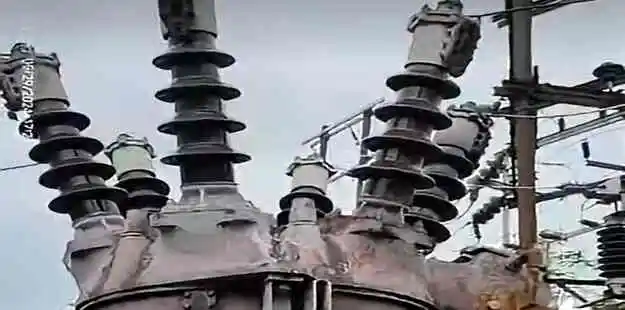
- Material: Porcelain or Composite Material Having High Dielectric Strength
- Purpose: They Supply insulation and mechanical support to conductors coming in and out of the breaker.
Operating Mechanism
The mechanism that governs the opening and closing of current (contacts)
- Type: All manual, spring or motor-driven.
- Functional: Provides fast and sure opening of contacts in case of fault
- Significance: The rate of operation and accuracy of the mechanism are important for the functioning of the breaker.
Seals and Gaskets
Seals and Gaskets to prevent oil from leaking out.
- Commonly Used: Rubber Synthetic (oil resistant)
- Purpose: It can keep the tank sealed, and the insulated oil cannot leak out of the tank.
Trip and Close Coils
These coils are components of the control system.
- Trip Coil: Energize to trip the breaker in fault conditions.
- Close Coil: Energizes to close the breaker and restore the circuit.
- Control: These coils connect to control devices for either remote or automatic operation.
Oil Filling and Draining Valves
This valve is used for maintenance.
- Oil Filling: Enables tank filling with insulating oil
- Draining: Allows oil removal during maintenance or change-out.
- Design: Comes fitted with safety to avoid spillage.
Monitoring Devices
Monitoring devices ensure the breaker is functioning efficiently
- Pressure Gauge: Check the pressure in the tank.
- Temperature Sensors: The temperature of the insulating oil would be similar to constantly monitoring it with Temperature Sensors.
- Oil Livel indicators: Use to full the oil level.
Control Devices
The actuators are the control devices that control the operation of the breaker.
- Manual Controls: Provides operators the ability to manually open or close the breaker.
- Automatic Controls: This allows for remote operation or automation based on the needs of the system
- Protection Relays: Which identifies the faults and sends a signal to trip relay coil for immediate action.
Oil Circuit Breaker Working
The basic working of an oil circuit breaker (OCB) relies upon its discerning capacity to extinguish arcs and break fault currents with the help of insulated oil. This procedure is critical in guaranteeing the safety and dependability of electrical systems, especially in high-voltage applications. So, here we will learn about from its construction to working: — Working principle of oil circuit breaker.
Normal Operation (Closed Circuit)
While in normal condition, the contacts of the oil circuit breaker remain close permitting current to pass through the circuit constantly. The insulating oil serves as a dielectric medium, enabling insulation between the contacts and the tank.
Fault detection and contact separation
During a fault of the circuit e.g short circuit or overload etc, it will detect by protection relay system and give signal to trip coil of breaker.
- Trip Coil Activation: Trip coil is a electromagnetic circuit forming part of the mechanism that opens or closes the contacts When trip coil energized, it activates an operating mechanism to separate moving contacts from fixed contacts.
- Arc Formation: When the contacts start separating, an arc is created in between them because of the high current flow.
Arc Extinguishing Process
The arc which is formed due to contact separation is quenched by the medium of insulating oil. Here’s how:
- Heat Absorption: The arc generates sufficient heat energy to vaporize the surrounding oil, forming hydrogen gas bubbles.
- Cooling Effect: Arc less intense due to the cooling effect of hydrogen gas, being very conductive to heat.
- De-ionization: the vaporised oil displaces ionised particles surrounding the arc and thus interrupts the conductive path, killing the arc.
This allows for a safe and effective interruption of the fault current.
Dielectric Recovery
When the arc gets quenched, the insulating oil restores its dielectric strength almost immediately.
- Vapor Re-condensation: The vaporized oil reverts to liquid in the path of the arc, purging it of ionized particles.
- Insulation Restoration: The number warms new oil which provides insulation between the contacts, preventing re-ignition of the arc.
The dielectric strength that recovers quickly provides robust operating condition to the breaker for their next operation.
Circuit Isolation
After the arc extinguishes, circuit is fully interrupted thereby segregating the bad segment from rest of the system. This avoids damage to further equipment and keeps the electrical net secure.
Reclosing the Breaker
With the fault eliminated, we can now close the breaker to reestablish the circuit. The moving contacts are reset with the fixed contacts by its operating mechanism. This reconnection is done in an environment where the insulating oil ensures that no arc forms.
Types of Oil Circuit Breaker
Oil cooled circuit breakers are primarily classified based on the amount of oil used in them. Let’s understand these types in detail.
Bulk Oil Circuit Breaker (BOCBs)
The bulk oil break circuit breaker (BOCB) is one of the oldest technologies used in power system protection. Among the various types of oil filled circuit breakers, this breaker is known for its robust construction and high-capacity operation. Bulk oil circuit breakers use a large tank filled with a heavy volume of transformer oil for arc quenching.
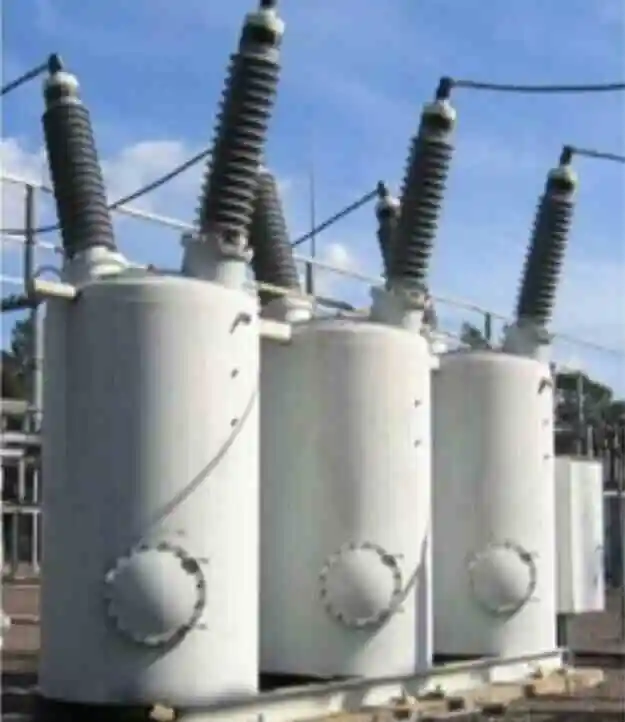
When a fault occurs in the system, the breaker’s contacts separate inside the oil. When the contacts separate under load, an arc is generated, which vaporizes the surrounding oil. It creates a bubble of hydrogen gas between the contacts, generating high pressure that cools and extinguishes the arc.
Advantages of BOCB
- The large quantity of oil is used to extinguish the arc and also provides insulation between the live parts and the earth tank.
- Its design is straightforward and robust, making it easy to operate.
- It can be used both indoors and outdoors.
Disadvantages of BOCB
- The presence of large quantities of oil poses a risk of fire.
- It requires a lot of space and a heavy foundation to install, which increases the cost.
- Repeated electric arcing reduces the dielectric strength of the oil (carbonization), so it needs to be replaced or filtered regularly.
Types of Bulk Oil Circuit Breakers
- Plain Break Oil Circuit Braker
- Arc Control Oil Circuit Breaker
Plain Break Oil Circuit Braker
The plain break oil circuit breaker is the simplest type of circuit breaker in terms of design. It is a basic form of the bulk oil circuit breaker (BOCB) and does not utilize any special arc control devices. A plain break oil blast circuit breaker (BOCB) is one in which the current carrying contacts are directly immersed in the breaker oil. When a fault occurs in the system, these contacts separate within the oil. The arc generated is extinguished entirely by the oil. Its construction is very simple, consisting of a robust, earthed steel tank filled with insulating oil.
During the separation of the contacts, the gas generated from the oil is under very high pressure. This is why the tank is not filled with oil; some space is left empty at the top. A vent is necessary for the gas to escape from the plan break OCB, and therefore, a vent is installed in the tank cover. The vent is positioned in such a way that the release of partially ionized gases harms no one, and a flashover damages no equipment.
Arc Control Oil Circuit Breaker
In arc control OCBs, a chamber and a pot are used to extinguish the arc. The pot is designed in such a way that as soon as the oil moves, it generates self-pressure, which extinguishes the arc. In this circuit breaker, the arc length gap is comparatively smaller than that of a plain break OCB.
Advantages
- Reduced arc time
- Final arc length is reduced
- Increase Breaking Capacity
- The arc control chamber can be built cheaply.
Minimum Oil Circuit Breaker (MOCB)
This type of circuit breaker uses a minimum amount of oil. Sometimes it is also called a small-oil circuit breaker. The tank used in this system is called a live tank, which is insulated from the ground.
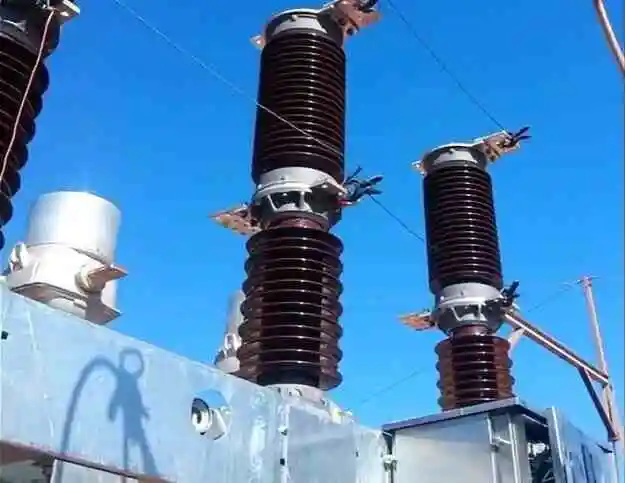
The working principle of an MOCB breaker is slightly different from that of a BOCB breaker. In an MOCB, the arc extinguishing part is located inside an insulating chamber. During a fault, the contacts separate inside this chamber, and an arc is generated. The heat of the arc vaporizes the oil, creating a bubble of hydrogen gas, which, under high pressure, extinguishes the arc. In this type of circuit breaker, the oil is used solely for arc quenching, not for insulation.
Advantages of MOCB
- It requires very little oil, which reduces costs.
- Due to the use of a small amount of oil, the risk of fire is also significantly reduced.
- It is small in size and lightweight, making it easy to install.
- It is simpler and cheaper to maintain compared to BOCB.
Disadvantages of MOCB
- Its structure is somewhat complex.
- Repeated operation reduces the dielectric strength of the oil, and it needs to be replaced.
Types of Minimum Oil Circuit Breakers
- Single Break Type Minimum Oil Circuit Breaker
- Double Break Type Minimum Oil Circuit Breaker
Single Break Type Minimum Oil Circuit Breaker
The single-break MOCB is based on Minimum Oil technology. A single-break MOCB (Minimum Oil Circuit Breaker) has only one break or gap for separating the contacts. This means that when the breaker trips, the circuit is interrupted at only one point. In this design, the arc extinguishing unit is located inside an insulating chamber filled with a limited amount of breaker oil to quench the arc.
It is much more compact and lighter than a BOCB (Bulk Oil Circuit Breaker). Due to the limitations of the single-break design, it is not suitable for systems with very high voltages or high fault currents. Systems with voltage levels up to 11kV and 33kV are commonly used.
Double Break Type Minimum Oil Circuit Breaker
Providing enhanced safety with minimal oil is the hallmark of the Double Break Type MOCB. The double-break type minimum oil ckt breaker has emerged as a specialized and robust solution for high-voltage applications.
A double-break MOCB is a circuit breaker that interrupts the circuit at two points simultaneously in the event of a fault. This means it has two breaking units or arc gaps that operate at the same time. This design doubles the arc voltage, which extinguishes the arc much faster and more effectively. In this MOCB breaker, each breaking unit is housed in its own insulating chamber, which contains a limited amount of breaker oil for arc quenching.
How Arc Control of Oil Circuit Breaker
The arc control, in the case of an oil circuit breaker (OCB), is one of the key processes providing for smooth fault current interruption and electrical system protection. During a fault the high current flows through the breaker, and if contacts separates, an arc starts to evolve around the circuit. To maximize system safety, the arc formed must be quenched in a fast and effective manner to prevent equipment damage as well. This is accomplished through a combination of special arc control mechanisms and insulating oil to work in the oil circuit breakers. Here is a complete step-by-step of arc control in an oil circuit breaker.
Step 1: Fault Detection and Contact Separation
- When any fault occurs (eg: short circuit or overload), the protection relay system gets it reflected and sends enough potential to trip coil of the breaker.
- The trip coil energizes and releases the operating mechanism separating the moving contacts from the fixed ones.
- An arc is formed between the contacts once they are separated, brought about by a large flow of current and ionisation of the medium around them.
- In short, this arc is the work of electrical current that will still attempt to follow its path even though the contacts are separated.
Step 2: Arc Formation
- The arc establishes between the separating contacts due to high current ionizing nearby air, and the oil molecules.
- An arc gives off so much heat, that if left unregulated, it can melt the breaker or equipment connected to it.
- The oil acts as the insulator and helps in quenching this arc.
Step 3: Oil Vaporization
- Because of the high temperature of the arc, the adjacent insulating oil vaporizes.
- Such rapid vaporization results in hydrogen gas bubbles forming around the arc.
- Hydrogen gas has a very high heat-capturing ability, which is used to cool down the arc.
- The vaporized oil will fill the space around the arc replacing the ionised particles surrounding it, which lowers its brightness.
Step 4: Arc Cooling and De-ionization
- Hydrogen gas bubbles generated during the oil vaporization process serve as a coolant to decrease the temperature of arc.
- This gas also replaces the ionized particles (charged particles) in the arc path, breaking the conduction path.
- This process is called de-ionization which is necessary to quench the arc and avoid it from re-igniting.
- Arc control devices like arc chutes and arc splitters supplement the process by preventing, or spliting the arc.
Step 5: Arc Extinction
- The arc dissipates (is extinguished) as the arc cools, breaking up the ionized path.
- The insulating oil, therefore eliminating any conductive path existing between the contacts interrupts the fault current.
- It is key to separating the defect along the line and safeguarding whatever remains of the framework.
Step 6: Dielectric Recovery
- Once the arc is extinguished, the vaporized oil returns to a liquid.
- This dielectric strength of insulating oil is rapidly restored.
- This prevents the arc to reignite, ensuring good insulation of the contacts.
- The fast recovery of the dielectric in the oil sets the breaker to operate again.
Step 7: Circuit Isolation
- After the extinguishing of the arc, the circuit is now fully broken and doing so completely isolates a faulty section from whatever remains.
- It minimizes damage to equipment and guarantees the integrity of the electrical network.
- The breaker stays open until the fault is cleared, and the system is ready for restoration.
Why Arc Control is Important in Oil Circuit Breakers
Good arc control is necessary for oil circuit breakers to work safely and reliably. Here’s why:
- Avoids Equipment Damage: Proper arc control also minimizes damage to the breaker and other related equipment components resulting from either a high fault current or from an overcurrent condition.
- Improves the safety of the system: Quick arc extinction reduce the risk to the system as well as personal.
- Copes with High Fault Currents: It is the process of managing high fault currents in case of a high voltage system.
- Positive Breaker Life Cycle: Effective control of arcs results in minimum contact wear leading to more life of the breaker.
- Enables High Voltage Applications: Arc control mechanisms allow the breaker to receive high fault current in relation with power grids and industrial setup.
Oil Circuit Breaker Maintenance
Oil circuit breaker (OCB) These are used for outdoor installations and to switch the high voltages. Proper maintenance is needed so you will have a good quality functioning, safety from failures, and long last usage OCBs. As oil circuit breakers are more used in high-voltage systems, their performance is crucial to ensure safe and efficient operation of electrical networks. Preventing unexpected failures, reducing downtime while ensuring the breaker participates properly during fault conditions all requires regular maintenance. Here is an In-depth guide for oil circuit breaker maintenance including essential steps, better practices and precautions.
Why is Maintenance Important for Oil Circuit Breakers?
They employ insulating oil and mechanical interactions to quench arcs and disconnect fault currents. With time, these components can become worn out and/or degrade thanks to:
- Contamination of insulating oil: The insulating oil becomes contaminated or deteriorated with carbon particles, moisture or other impurities.
- Maintenance: Contacts, seals and gaskets will wear out by repeated operations.
- Mechanical Problems: Moving parts can become less effective through inadequate lubrication or misalignment.
Regular maintenance ensures:
- Consistent extinguishing of arcing and malfunction intervention.
- Prevent oil leak and mechanical failure.
- Extends the life note of the breaker and its parts.
Key Maintenance Activities for Oil Circuit Breakers
1. Inspection of Insulating Oil
It is one of the most important parts that ensure proper function so regular condition monitoring of disrupting oil is a necessity.
Oil Testing:
- Dielectric strength of the oil / Moisture content of the oil / Contamination Test.
- Test the oil with a dielectric strength tester.
Oil Replacement:
- Change oil when it is discolored, has low dielectric strength or high carbon content.
- Check the oil if it is dry and clear before topping up.
2. Contact Inspection and Maintenance
During the fault, these fixed and moving contacts are involved in interrupting between current.
Visual Inspection:
- Inspect for wear, pitting or arcing eroded spots on the contacts
- Properly position the contacts.
Contact Cleaning:
- Cleaning the contacts: Carbon deposits and contaminants are removed
- An appropriate cleaning agent must be used to avoid damaging the contact material.
Contact Replacement:
- Contacts that are excessively worn or damaged must be replaced in order to ensure continued operation reliability.
3. Arc Control Device Maintenance
Arc control devices, including arc chutes and splitters, are critical for quenching arcs.
Inspection:
- Inspect the arc chutes and splitters for damage or distortion from repeated arcing.
Replacement:
- Change damaged arc control devices for good arc extinguishing.
4. Operating Mechanism Maintenance
The operating mechanism — it handles the opening and closing of breaker.
Lubrication:
- Lube any moving parts like hinges, springs, and levers.
- Apply proper electrical-grade oils for lubrication.
Alignment:
- Inspect the operating mechanism alignment to avoid mis operation.
Testing:
- Conduct functional tests to verify that the mechanism works correctly in fault conditions.
5. Seals and Gaskets Maintenance
Liberal wetting seals and gaskets keep oil inside and the device intact.
Inspection:
- Inspect seals and gaskets for cracks, wear or distortion.
Replacement:
- Refresh seals and gaskets so oil doesn’t leak out or insulation doesn’t get ruined.
6. Trip and Close Coil Testing
The trip and close coils are essential for the breaker to operate, which open or close it.
Coil Testing:
- Use a multimeter to check the trip and close coils work properly.
- Ensure the coils are receiving the correct voltage and current.
Replacement:
- Change missing coil to avoid not functioning during fault conditions.
7. Monitoring Devices and Control Systems
Oil circuit breakers of modern design are likely to have devices for monitoring and control.
Inspection:
- Inspect pressure gauges, oil level indicators and temperature sensors.
Calibration:
- Ensure the rate at which monitoring devices gets calibrated for accurate readings.
Control System Testing:
- Test the communication and actuator response of fault signals in control system.
8. Oil Filling and Draining System Maintenance
Oil filling and draining system where availability of oil can be essential for maintenance activities.
Valve Inspection:
- Inspect oil fill and drain valves for leaks or obstructions;
System Cleaning:
- Clean the system to avoid contamination while replacing new oil.
Advantages of Oil Circuit Breaker
Despite the rise of vacuum- and gas-insulated alternatives, oil circuit breakers offer unique features that make them suitable for a wide range of industrial applications. Here are the top benefits you should know.
Effective Arc Quenching Properties
The primary job of any circuit breaker is to put out the electrical arc as quickly as possible. Oil circuit breakers excel at this task.
When the arc vaporizes the oil, it creates hydrogen gas. Hydrogen has excellent thermal conductivity, meaning it pulls heat away from the arc incredibly fast. As the gas bubble surrounds the arc, it cools the plasma and extinguishes the electrical flow. Furthermore, the oil itself flows back into the gap the moment the arc disappears. This rapid cooling and immediate fluid replacement make the arc quenching process highly effective and secure.
High Dielectric Strength of Oil
Dielectric strength is a material’s ability to withstand high voltages without breaking down or allowing current to flow. Mineral oil features exceptional dielectric strength, making it one of the best natural insulators available.
Because of this high dielectric strength, the oil provides a massive barrier between the live electrical contacts and the grounded metal tank of the breaker. It ensures that electricity stays exactly where it belongs. This strong insulating property also means the distance between the contacts can remain relatively small, helping keep the internal mechanisms efficient.
Cost-Effectiveness for Certain Applications
Budget constraints play a major role in electrical engineering decisions. When you compare them to modern alternatives like SF6 (sulfur hexafluoride) breakers, oil circuit breakers often win on initial equipment costs.
For facilities that need reliable protection but cannot justify the high price tag of advanced gas-insulated systems, oil breakers provide a budget-friendly middle ground. Additionally, the mineral oil used inside the breakers is generally inexpensive and easy to source. This makes replacing the insulating medium highly cost-effective for maintenance teams operating on tight operational budgets.
Proven Reliability in Medium-Voltage Systems
.While high-voltage transmission lines often require specialized equipment, medium-voltage distribution networks have different needs. Oil circuit breakers offer proven reliability for these medium-voltage systems.
Many industrial plants, rural substations, and older electrical grids operate at medium voltage. In these environments, oil circuit breakers perform their duties with rugged consistency. They handle frequent switching operations well and tolerate rough outdoor conditions without skipping a beat. If your facility operates a medium-voltage network, you can trust these breakers to protect your valuable downstream equipment from unexpected power surges.
Long History of Use and Established Technology
Sometimes, the best technology is the one we already know well. Oil circuit breakers boast a long and storied history of usage, spanning several decades of electrical engineering.
Because this technology is so well-established, the industry understands it thoroughly. Replacement parts are readily available, standard testing procedures are well-defined, and experienced technicians—who know exactly how to service these units—are easily found. To keep these breakers operational, companies in the power sector do not need to invest in providing highly specialized training to their maintenance teams. This deep reservoir of industry knowledge reduces learning time and streamlines troubleshooting.
Disadvantages of Oil Circuit Breaker
Despite their popularity in the past, oil circuit breakers are associated with several major operational challenges. Here are some key limitations you should be aware of.
High Maintenance Requirements
One of the most prominent disadvantages of oil circuit breakers is the intensive maintenance schedule they require. Every time the breaker interrupts an electrical fault, the intense heat of the arc carbonizes a small portion of the oil. Over time, this carbon buildup significantly reduces the oil’s insulating properties.
To keep the breaker functioning safely, maintenance teams must perform frequent testing. They have to regularly measure the oil’s dielectric strength. When the oil degrades, technicians must drain, filter, and replace it. Furthermore, the contacts inside the breaker experience wear and tear during arcing, requiring regular inspection and replacement. This constant need for upkeep leads to high labor costs and increased system downtime.
Severe Risk of Fire Hazards
Safety remains a top priority in any electrical environment. Unfortunately, the very material used to quench the arc in these breakers presents a massive safety risk. The insulating oil is highly flammable. When the breaker operates, it generates hydrogen gas. If the breaker fails to clear a fault quickly, or if the oil level drops too low, the arc can ignite the oil and the accumulated gas.
This creates a severe risk of fire and even catastrophic explosions. An explosion can destroy surrounding substation equipment, cause widespread power outages, and put personnel in immediate danger. Because of these fire hazards, facilities must install expensive fire protection and suppression systems around oil circuit breaker installations.
Environmental Concerns Due to Oil Leakage
Environmental regulations are becoming stricter worldwide. This creates another major drawback for oil-based equipment. Oil circuit breakers hold hundreds or even thousands of gallons of insulating oil. Over time, seals and gaskets degrade, leading to slow leaks or sudden spills.
When insulating oil leaks, it seeps into the ground, contaminating local soil and groundwater. Furthermore, cleaning up an oil spill requires specialized hazardous waste teams, adding thousands of dollars in unexpected costs.
Bulky Design and Space Requirements
Space is a premium commodity in modern electrical substations and industrial facilities. Oil circuit breakers require massive metal tanks to hold the necessary volume of insulating oil. This bulky design demands a large installation footprint.
Because of their heavy, cumbersome nature, transporting and installing these units requires specialized heavy-lifting equipment. In facilities with limited space, expanding an electrical system with oil circuit breakers is often impossible. Modern alternatives offer a much smaller footprint, allowing facility managers to maximize their available floor space and reduce construction costs.
Limited Performance in High-Voltage Applications
The speed at which an oil circuit breaker extinguishes an arc is generally slower than modern alternatives. In high-voltage operations, slow fault-clearing speeds result in excessive fault currents flowing through the system, thereby increasing the risk of damage to sensitive equipment installed in power substations. Additionally, the rapid carbonization of oil at very high voltages means the breaker loses its insulating capacity much faster. Because of these performance limitations, oil circuit breakers are rarely specified for new high-voltage transmission networks.
Oil Circuit Breaker Testing
Testing an oil circuit breaker (OCB) is essential in order to guarantee its dependability, security, and performance in electric systems. Regular testing helps to identify, ensure functionality and keep the oil circuit breakers operable since they are responsible for interrupting fault currents and protect equipment. The guide helps explain how to test an oil circuit breaker in detail but concise, including its type of tests, procedures, and the do & don’t.
Why is Testing Important for Oil Circuit Breakers?
Oil Circuit Breakers are used in high-voltage applications and subjected to mechanical as well as electrical loadings when a fault interruption occurs. Eventually these stresses can result in:
- Deterioration of the insulating oil: Impurities or reduced dielectric strength.
- Contacts and Arcing: Pitting or erosion from continual arcing.
- Mechanical Failures: wether of the misalignment or malfunction of which mechanism is operated.
Regular testing ensures:
- It can reliably interrupt fault currents.
- The components and insulating oil are in good state.
- Meeting safety and performance criteria.
Types of Oil Circuit Breaker Tests
1. Dielectric Strength Test of Insulating Oil
This test is a measure of the insulating oil’s capacity to withstand a high voltage potential without electrical breakdown.
Procedure:
- A sample of the oil is obtained and placed in a test kit.
- · A high voltage is supplied across the two electrodes immersed in the oil.
- · The voltage is increased progressively until the oil fails (arc develops).
Purpose:
- For tasting the dielectric strength of the oil to see if oil is ready for changing or needs purification.
Standard Value:
- The dielectric strength should be minimum 30 kV for oil used.
2. Contact Resistance Test
This test is used to check the resistance of the contacts of the breaker which also helps assure good current path.
Procedure:
- The low DC current passes through the closed contacts.
- · Measure voltage drop across the contacts and use ohm’s law to calculate resistance.
Purpose:
- To check for electrical contact wear, pitting, or misalignment.
Acceptable Range:
- Contact resistance should be as low as possible, usually it is qualified in micro ohm.
3. Timing Test
The timing test checks how fast the breaker goes on and off while being in sync.
Procedure:
- The control system operates (opens and closes) the breaker.
- A timing analyzer is used to measure the time for the contacts to open, close, and settle.
Purpose:
- Under fault conditions, maintaining the breaker within its specified operating book end time.
Standard Values:
- Average Open Time: 30 – 50 milliseconds
- Closing time is usually 50-70 milliseconds.
4. Insulation Resistance Test
This test ensures that the insulation between components within the breaker is intact to prevent electrical leakage.
Procedure:
- A high DC voltage is applied to the live parts of the breaker and ground using a megger (insulation resistance tester).
- The resistance is expressed in mega ohm.
Purpose:
- For identifying insulation deterioration or contamination.
Acceptable Range:
- Generally, insulation resistance is expected to be a few hundreds of mega-ohms or higher.
5. Mechanical Operation Test
The test quantifies the mechanical performance of the breaker operating mechanism.
Procedure:
- Multiple open and close cycles of the breaker to ensure it functions without any issues.
- The functioning mechanism inspected for wear, displacement or not being lubricated.
Purpose:
- To make sure the mechanicals within the breaker are in working order.
Observation:
- The mechanism should work rapidly and smoothly, with no delay, excessive noise or jerky movement.
6. Oil Leakage Test
The breaker oil leak detection test assists in detecting oil leaks from the tank and seals of the breaker.
Procedure:
- Oil leakage inspection through the visual approach by checking tank and seals.
- · There may be pressure tests to find concealed leaks.
Purpose:
- To maintain the integrity of the tank, preventing any loss of oil.
7. High-Potential (Hi-Pot) Test
In this one, a high voltage is applied to the breaker in order to test its insulation strength at extreme circumstances.
Procedure:
- Application of high AC/ DC voltage b0tween live parts of the breaker and the ground.
- Insulation breakdown or leakage current is supervised by the breaker.
Purpose:
- To guarantee that the breaker functions at high voltages without a breakdown.
Precaution:
- Should do this test with caution as it can do damage to the breaker.
8. Trip and Close Coil Test
This is an evaluation of trip and close coils that operate the breaker.
Procedure:
- Coils are energized and feedback is observed for their response.
- You Measure the Voltage + Current Needed, to drive those Coils.
Purpose:
- To check the coils are working properly and can make the breaker trip under fault conditions.
Oil Circuit Breaker Applications
Oil Circuit Breakers (OCBs) are essential electrical devices used in power systems to protect circuits from faults. They function by using oil as an insulating and arc-quenching medium. This type of circuit breaker is crucial for preventing damage to electrical systems due to overcurrent or short circuits. A detailed list of the various applications of oil circuit breakers is provided, presented in an easily understandable manner.
1. Power Transmission Systems
- Primary Use: Oil circuit breakers are widely used in power transmission networks for protecting high-voltage lines.
- How It Works: They interrupt the current flow when a fault occurs, preventing transmission lines from overheating and sustaining long-term damage.
- Why It’s Important: Transmission systems are prone to faults due to lightning, short circuits, or equipment failures. Oil circuit breakers ensure the safe operation of these systems.
2. Substations
- Primary Use: In substations, oil circuit breakers are used for protection and switching of transformers and busbars.
- How It Works: The breakers disconnect faulty equipment from the grid, ensuring that healthy parts continue functioning.
- Why It’s Important: Substations manage the distribution of electrical power. OCBs help in maintaining system stability and reduce the risk of widespread outages.
3. Industrial Power Systems
- Primary Use: Oil circuit breakers are frequently used in industrial settings, where large machines and motors require stable power supply and protection.
- How It Works: They act as safeguards against electrical faults that could damage expensive equipment.
- Why It’s Important: Industries like manufacturing, chemical processing, and oil refineries rely on heavy machinery, making circuit protection essential for operational efficiency.
4. Generation Plants
- Primary Use: Power plants use oil circuit breakers to protect generators and transformers.
- How It Works: OCBs detect faults and disconnect the affected portion of the plant to prevent cascading damage or fire hazards.
- Why It’s Important: Generating stations are the backbone of the electrical grid. Protecting them from faults ensures continuous power generation and stability.
5. Renewable Energy Systems
- Primary Use: In renewable energy systems, especially in wind and solar power plants, OCBs play a critical role in managing faults.
- How It Works: They disconnect faulty solar panels or wind turbines from the grid, preventing damage to the system.
- Why It’s Important: Renewable energy sources have become a vital part of the global energy mix. Using OCBs ensures the safety and longevity of these systems.
6. High Voltage Testing Facilities
- Primary Use: Oil circuit breakers are used in high-voltage testing laboratories for simulating and testing fault conditions.
- How It Works: They help engineers test the performance of electrical components under fault conditions without endangering the equipment.
- Why It’s Important: Accurate testing is crucial for ensuring the safety and reliability of electrical components in various industries.
7. Electrical Distribution Systems
- Primary Use: OCBs are used in electrical distribution networks to protect transformers, feeders, and distribution lines.
- How It Works: When a fault is detected, the oil circuit breaker quickly isolates the faulty section to ensure the rest of the system remains operational.
- Why It’s Important: These systems deliver power to residential, commercial, and industrial consumers. OCBs ensure the distribution remains stable even when faults occur.
8. Railway Electrification
- Primary Use: Oil circuit breakers are used in railway electrification systems to protect the power supply lines and railway equipment.
- How It Works: They disconnect damaged sections to prevent further damage to the electrical components of the rail network.
- Why It’s Important: Safe and uninterrupted power supply is essential for the smooth operation of railway networks, making OCBs indispensable.
9. Marine Electrical Systems
- Primary Use: On ships and marine vessels, OCBs protect the electrical systems from faults.
- How It Works: They isolate faults in the ship’s electrical system, protecting both the vessel and the crew from electrical hazards.
- Why It’s Important: The safety of the crew and the ship’s critical systems depend on reliable electrical protection.
10. Mining and Oil Fields
- Primary Use: In remote industrial applications like mining and oil exploration, OCBs are used to ensure the safety of power circuits in hazardous environments.
- How It Works: They prevent overloads and faults in equipment like pumps, motors, and machinery used in mining and oil extraction processes.
- Why It’s Important: These sectors often work in isolated areas where electrical reliability is critical for operational success.
11. Urban Power Distribution
- Primary Use: Urban areas depend on oil circuit breakers to maintain the electrical distribution network.
- How It Works: The breakers automatically disconnect areas with faults, allowing the rest of the city to continue receiving power.
- Why It’s Important: With cities’ increasing energy demand, ensuring the safety of urban power grids is critical. OCBs prevent large-scale outages and improve grid resilience.
Conclusion
To sum it up, an oil circuit breaker acts as a vital line of defense for many electrical networks. By using insulating mineral oil to cool and extinguish electrical arcs safely, these robust devices stop dangerous power faults in their tracks.
The core benefits of oil circuit breakers—such as their overall cost-effectiveness, high dielectric strength, and proven mechanical reliability—keep them highly relevant across the electrical industry. They easily handle the heavy daily demands of medium-voltage distribution networks, remote rural substations, and tough outdoor industrial environments.
Although modern vacuum and gas alternatives are becoming increasingly popular, understanding this reliable technology still helps every technical professional make informed decisions regarding their infrastructure.
FAQ
Where is the use of oil breaker
Oil breakers (OCBs) are primarily used in high-voltage power systems to interrupt the flow of electric current in the event of a fault. They are particularly useful in outdoor substations and power.
Which type of oil used in oil circuit breaker
The oil used in an oil breaker is called transformer oil, also known as insulating oil or mineral oil.
What is the difference between bulk and minimum oil circuit breakers?
(a) BOCB: Uses a large amount of oil for arc quenching and insulation; heavy and expensive to maintain.
(b) MOCB: Uses very little oil for arc quenching; compact and less expensive to maintainWhat safety precautions should be taken when handling oil circuit breakers?
a. Wear PPE: Use gloves, goggles, and protective clothing.
b. De-energize Equipment: Ensure the breaker is disconnected from the power source.
c. Handle Oil Safely: Avoid spills; use proper containers for storage and disposal.
d. Inspect Regularly: Check for leaks, damages, or worn-out components
e. Follow Guidelines: Adhere to manufacturer and safety standards during maintenance.

I am an electrical engineer and also a blogger. I write informative blog posts on topics related to electrical and electronics engineering. If you are interested in these topics, you are welcome to my site to read these articles.