What is Electric Safety and Why is it Important?
Neglecting basic electrical safety measures can instantly transform a common household convenience into a life-threatening hazard. A damaged wire or an unsafe electrical outlet creates severe electrical risks, potentially resulting in devastating fires or fatal injuries.
Electrical safety refers to the continuous practice of handling, maintaining, and operating electrical systems to prevent physical harm and property damage. We rely on electricity for everything from cooking to operating complex machinery; therefore, the safe use of electricity is crucial.
Understanding the importance of electrical safety helps you protect your family, your home, and your workplace from hidden dangers. By learning essential electrical safety rules and adopting daily safety measures, you can use electrical appliances with complete confidence. The energy that lights our homes demands respect, and a secure environment begins with knowing how to manage that power correctly.
What is Electrical Safety?
Electrical safety is a comprehensive system of practices, protocols, and designs meant to protect people and property from the dangers of electric current. It involves following strict electrical safety standards to ensure every wire, switch, and outlet functions without posing a risk. At its core, safety in electrical environments means minimizing exposure to live currents and stopping accidents before they happen.
This concept goes far beyond simply knowing not to touch a bare wire. It requires a proactive approach to shock prevention and routine equipment maintenance. While high-quality electrical wiring serves as the secure foundation of any building, ongoing human awareness keeps that environment secure over time.
Essential Electrical Safety Practices
- Safe Handling of Appliances: Always unplug devices by gripping the solid plug, never by pulling the cord. Keep water far away from toasters, hair dryers, and bathroom electronics to eliminate immediate fire hazards.
- Proper Grounding Techniques: Modern buildings use dedicated grounding wires to direct excess electricity safely into the earth. This protects you from severe shocks if a mechanical fault occurs inside an appliance.
- Managing Power Loads: Prevent an overloading circuit by plugging heavy-duty appliances directly into wall outlets rather than daisy-chaining power strips. A properly functioning circuit breaker or electric fuse installed in the circuit will automatically cut off the flow of electricity if the wires become dangerously hot.
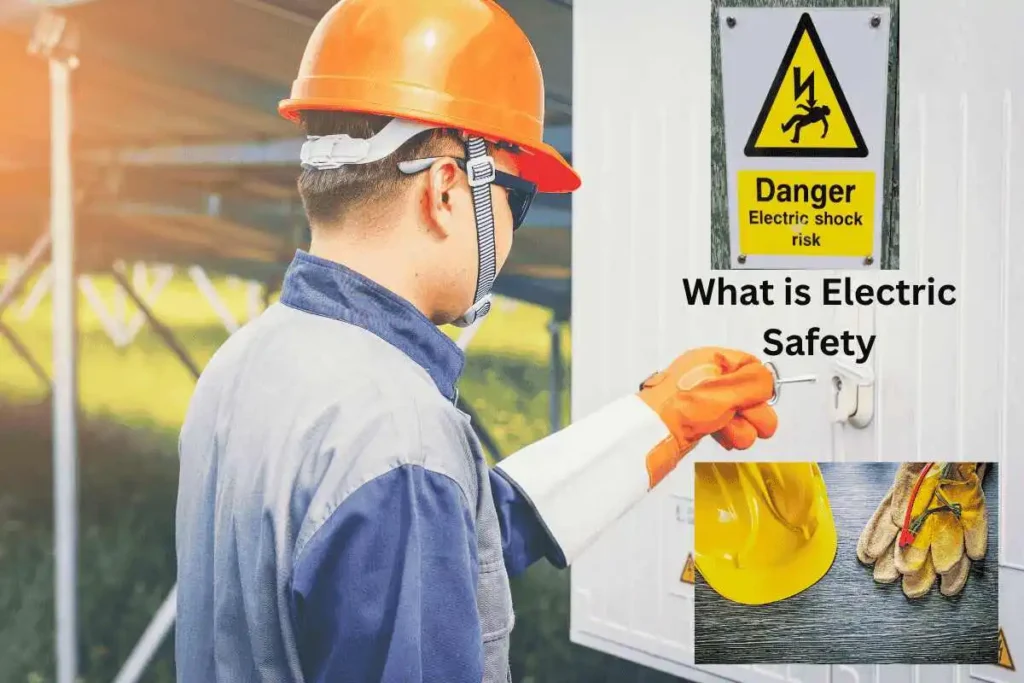
- Using Personal Protective Equipment: Electricians and maintenance workers wear insulated gloves, safety glasses, and specialized flame-resistant gear when working near live panels to ensure arc flash safety.
Awareness plays a massive role in preventing accidents. Prevent an overloading circuit by plugging heavy-duty appliances directly into wall outlets rather than daisy-chaining power strips. A properly functioning circuit breaker or updated fuse boxes will automatically cut the current flow when wires become dangerously hot.
Regular safety training in industrial workplaces and basic education at home ensure that everyone adheres to local electrical regulations and to appropriate emergency procedures. By staying alert and implementing these core practices, you transform safety from a set of written rules into an effective daily habit.
Why is Electrical Safety Important?
The importance of electrical safety cannot be taken lightly. We rely on power for almost every task, but mishandling it brings severe consequences. By practicing safe electricity use, we protect our physical well-being, preserve our property, and stay on the right side of the law.
Protecting Lives
Human life is the most critical reason to understand and manage electrical hazards. Every year, exposure to live currents causes painful shocks, severe thermal burns, and even tragic fatalities. Simple electricity safety measures act as a vital shield against these dangers.
When you know how to unplug a device safely, or when you learn the basics of emergency procedures to assist someone who has received an electric shock, you can actually save lives.
Preventing Property Damage
Proper electrical care also helps protect your home and business from catastrophic damage. Faulty wiring, broken plugs, and overloaded outlets create massive fire hazards. A single spark hidden inside a wall can quickly ignite a devastating building fire.
Furthermore, unstable power easily destroys expensive appliances, computers, and heavy machinery. You can stop these unexpected failures through routine equipment maintenance. When you repair faulty wiring and replace old panels, you eliminate the root causes of costly damage caused by hazards.
Ensuring Compliance
Following the rules is another essential layer of safety. Industry experts and local governments create strict electrical safety standards to keep communities secure. Whether you run a commercial warehouse or renovate your kitchen, you must follow specific electrical codes.
These legal requirements dictate exactly how contractors must install wiring and which safety devices they must use. Meeting these standards ensures your building is legally compliant and fully safe to occupy. Ignoring these rules often leads to heavy fines, denied insurance claims, or forced business closures.
Key Principles of Electrical Safety
Adhering to basic electrical safety measures protects everyone—both at home and in the workplace. By understanding a few key rules, we can avoid serious injuries and safeguard our property against sudden damage.
Avoiding Water Near Electrical Outlets
Water conducts electricity easily and quickly. When wet hands touch a plugged-in device, or water splashes onto a live outlet, the current travels directly to your body.
This combination creates immediate and severe electrical hazards. You must keep all liquids far away from plugs, switches, and appliances. Never operate a hairdryer, radio, or toaster near a full sink or bathtub. Always dry your hands completely before touching any power source to ensure the safe use of electricity.
Regular Inspection of Electrical Systems
With time and daily use, even the best wiring becomes weak. Scheduling a routine electrical inspection helps you spot hidden dangers before they spark a disaster. Walk through your home or workspace and look for frayed cords, cracked wall plates, or outlets that feel warm to the touch.
These early warning signs often point to serious fire hazards hiding behind your walls. One of the most effective electrical safety tips we can share is to replace damaged cables immediately instead of trying to fix them with tape.
Proper Use of Protective Equipment
Working directly with power requires strong physical barriers. Professionals and home repairers alike must wear proper personal protective equipment when handling wires or breaker panels. Thick rubber gloves, insulated hand tools, and non-conductive shoes block stray currents from entering your body. This specialized gear acts as a crucial line of defense if a sudden power surge occurs while you fix a broken switch or inspect a machine.
Importance of Grounding and Circuit Breakers
Built-in safety mechanisms in your electrical system help prevent severe electric shocks. Modern grounding techniques provide a safe, direct path for stray electrical current to reach ground. This setup moves the danger away from you and your sensitive appliances during a mechanical fault.
Additionally, a functioning circuit breaker constantly monitors the exact flow of power. If the system detects an unsafe overload or short circuit, the breaker immediately trips and cuts off power. This quick action prevents wires from melting in your walls and prevents major accidents before they start.
Common Electrical Hazards
Understanding the risks around us is the first step in practicing the safe use of electricity. Every day, we encounter potential dangers that can cause severe injuries or massive property damage.
Frayed Wires and Damaged Cords
Worn-out wires and damaged cords are among the most dangerous electrical hazards in any home or workplace. When the protective insulation around a wire cracks or tears, it exposes the live electrical current. Touching these exposed wires results in instant, severe shocks.
Furthermore, the exposed current easily transfers heat to nearby carpets, curtains, or wood, creating immediate fire hazards. You must always replace broken cords immediately instead of trying to cover them with tape.
Overloaded Circuits
Plugging too many high-power devices into a single wall outlet can overload the circuit. This forces more current through the wires than they can safely handle. As the excess current flows, the internal wiring quickly overheats and melts the surrounding insulation.
While modern circuit breakers and electric fuse boxes are designed to shut off power during a surge, relying on them constantly is a dangerous habit. You should distribute heavy appliances across multiple outlets to prevent the system from overheating.
Improper Use of Extension Cords
Extension cords offer temporary convenience, but we often misuse them as permanent wiring solutions. Running these power cords under rugs or across busy doorways crushes the delicate internal wires. This physical damage leads to hidden sparks and immediate danger.
Additionally, connecting multiple extension cords can draw too much power, violating basic electrical safety measures. One of the best electrical safety tips you can follow is to hire a professional to install new wall outlets if you find yourself relying on extension cords daily.
Lack of Maintenance
Neglecting your electrical system allows minor issues to escalate into major and dangerous problems. Scheduling a thorough electrical inspection with a licensed professional ensures your entire system operates securely.
By fixing small faults early, you protect your family and your property from sudden outages. To learn more about the specific steps you can take to protect your home daily, read our detailed guide on What is Electrical Safety Precaution?.
Practical Tips for Electrical Safety
Taking proactive steps to manage power protects everyone around you. By implementing a few simple rules, you can create a secure environment at home and on the job.
Safety Measures for Homes
Protecting your family requires constant attention to the devices you use daily. One of the most effective electrical safety tips you can apply is installing tamper-resistant, childproof outlets. These specialized receptacles block curious children from inserting objects into the live slots, stopping severe shocks instantly.
Another highly effective habit involves unplugging unused devices. Small appliances like toasters, blenders, and phone chargers still draw trace amounts of power even when turned off. Unplugging them ensures safe electrical use and drastically reduces the risk of sudden kitchen or bedroom fires. If you want to dive deeper into the specific risks in your home, read our complete guide, “What are Electric Hazards?” to understand better and prevent common electrical hazards.
Safety Measures for Workplaces
In commercial buildings and industrial facilities, strict electrical safety measures must be adopted to protect employees from high-voltage machinery. Companies should implement robust Lockout/Tagout procedures before conducting routine equipment maintenance. This critical step ensures that power remains completely shut off while technicians are repairing heavy machinery, thereby preventing accidental startup.
Furthermore, organizations should provide regular electric safety training to empower employees and enable them to recognize the early warning signs of a malfunctioning system. They must also know exactly where to find and how to wear proper personal protective equipment, such as insulated gloves and safety glasses, before inspecting any live panels. Finally, establishing clear, well-rehearsed emergency procedures ensures that everyone knows exactly how to react safely and quickly if an unexpected power failure or accident occurs on the floor.
High Voltage Power Line Safety
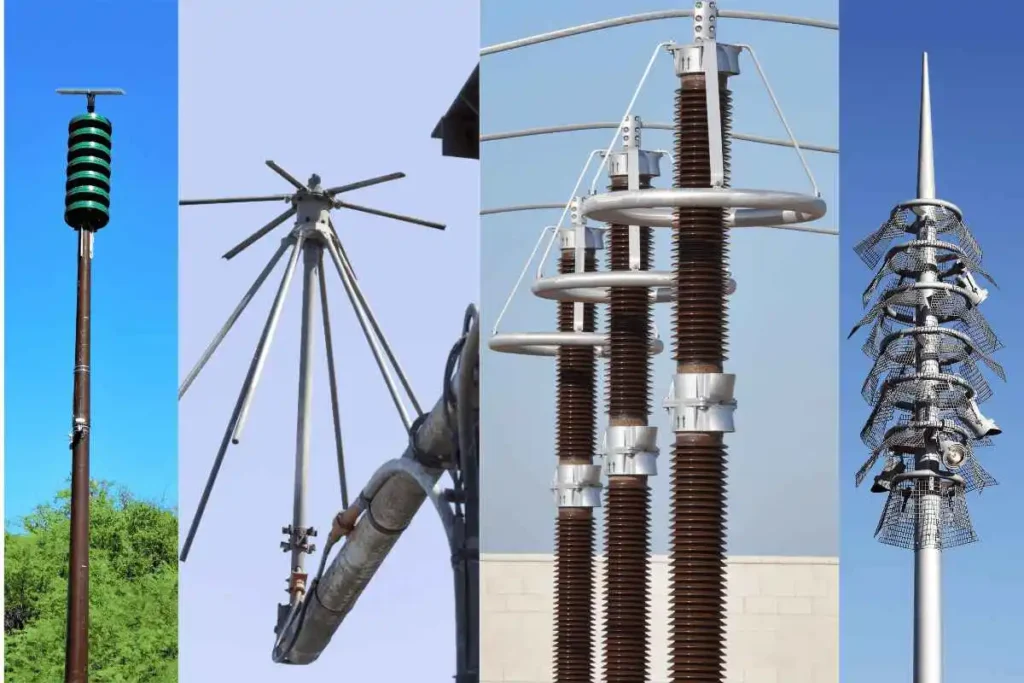
Utility companies transport electricity over vast distances using high-voltage wires. Because of the extreme danger, companies suspend these lines high in the air using tall transmission towers and utility poles.
Keep Your Distance from Tall Towers
You must never climb these transmission towers under any circumstances. Gaining unauthorized access to a tower puts you in direct proximity to massive electrical loads. You do not even need to touch a wire to get hurt. High voltage electricity can arc, or “jump,” through the air to your body if you get too close. This arc flash causes instant, catastrophic injuries.
Weather-Related Safety
Rain and severe storms significantly increase your risk of electrocution around utility infrastructure. You should never touch a utility pole or transmission tower during a rainstorm. Water conducts electricity incredibly well. If a pole has a faulty insulator or a damaged wire, leakage current can travel straight down the wet surface of the structure. Touching that wet pole provides a direct path for the electricity to enter your body.
Furthermore, always maintain a wide distance from power lines during heavy winds or thunderstorms. High winds can snap a live wire, causing it to fall to the ground without warning. If a wire falls, it can electrify a wide area around it. Assume any fallen wire is fully energized and deadly.
Keeping Animals Safe
Animals do not understand the dangers of electrical infrastructure. Do not let farm animals or pets rub their bodies against utility poles or transmission towers. Cows and horses often seek out these structures to scratch themselves. Constant friction can damage vital grounding wires or compromise the pole’s structural integrity. This behavior puts their lives at immediate risk and creates severe hazards for anyone walking through the field later.
Construction Work Near Overhead Lines
Overhead lines require a completely clear, unobstructed path to operate safely. Therefore, you must ensure that no construction work is carried out directly under high-voltage lines. Building structures, erecting scaffolding, or using heavy machinery under these wires is extremely dangerous. A crane or a tall metal ladder can easily bridge the gap between the ground and the wire. This oversight frequently leads to fatal workplace accidents and massive local power failures.
Conclusion
Understanding the importance of electrical safety is the best way to protect yourself and your property. When we follow basic electricity safety measures, we actively prevent severe injuries and stop destructive fires before they start. Keeping up with routine equipment maintenance and following strict legal standards ensures our homes and workplaces remain secure and fully compliant for everyone.
You hold the power to keep your environment safe. Start applying these practical electrical safety tips today, and do not keep this valuable knowledge to yourself. Educate your family members about simple daily habits, and ensure your coworkers participate in regular safety training at work. By sharing clear emergency procedures with the people around you, you build a strong culture of awareness and prevention. Take action now to respect the energy we use daily, and make electrical safety a permanent priority in your life.
FAQ
What is electrical safety?
Electrical safety involves practices, protocols, and standards designed to protect people and property from the dangers of electric currents. Implementing basic electricity safety measures prevents severe shocks and burns in both residential and industrial settings.
Why is the importance of electrical safety so high?
The importance of electrical safety lies in its ability to save lives and prevent severe property damage. By following proper guidelines, we eliminate dangerous fire hazards and ensure a secure environment for everyone living or working in a building.
What are the most common electrical hazards?
Common electrical hazards include frayed cords, overloaded wall outlets, and water exposure near active power sources. Recognizing these dangers early helps you avoid serious injuries and costly equipment damage.
How does a circuit breaker protect a home?
A circuit breaker constantly monitors the flow of power through your wiring. If it detects an unsafe overload or a short, it instantly cuts the current to stop the wires from melting and starting a fire.
What are some essential electrical safety tips for the home?
Some crucial electrical safety tips include keeping small appliances far away from water, unplugging devices when you finish using them, and installing tamper-resistant outlets. These simple daily actions protect your family from accidental shocks.
Why must workers use personal protective equipment?
Workers wear personal protective equipment, such as insulated rubber gloves and safety glasses, to block live currents from entering their bodies. This specialized gear provides a vital physical barrier while technicians handle complex wiring or heavy machinery.
How do extension cords create fire hazards?
People often overload extension cords by plugging in too many high-power devices or running them under heavy rugs. This crushes the delicate internal wires, causing the cords to overheat and turning a temporary convenience into an active fire risk.
What should I do if I spot a sparking outlet?
You must shut off the power at your main electrical panel immediately. Never attempt to touch or fix the sparking outlet yourself. Instead, call a licensed professional to perform a secure inspection and handle the repairs.
Why do workplaces need strict electricity safety measures?
Commercial and industrial spaces draw massive amounts of power to run heavy machinery, increasing the risk of fatal accidents. Strict electricity safety measures, such as mandatory lockout procedures and routine training, keep all employees secure around high-voltage systems.
How often should we schedule an electrical inspection?
We recommend scheduling a professional inspection every three to five years, or immediately if you notice flickering lights or warm switch plates. Regular maintenance checks catch hidden wiring faults before they become major emergencies.

I am an electrical engineer and also a blogger. I write informative blog posts on topics related to electrical and electronics engineering. If you are interested in these topics, you are welcome to my site to read these articles.