How an Electric Iron Works
Every day, countless people grab an electric iron to smooth out wrinkles and freshen up their clothes. It’s a simple, routine task we often do without a second thought. But have you ever paused and wondered about the technology you’re holding? This common household appliance is a perfect example of simple science put to practical use.
Understanding how does an electric iron works reveals a fascinating process of converting electricity into controlled heat. In this article, we will uncover the mechanics behind this essential tool, from the heating element to the thermostat, and explore how it turns a crumpled mess into a crisp, neat garment. Let’s look inside and see how it all happens.
What is an Electric Iron
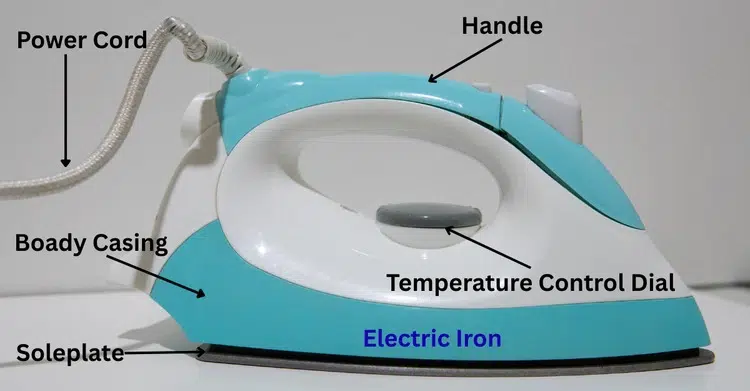
An electric press iron is a common household appliance designed to remove wrinkles from clothing and other fabrics. Its primary purpose is to press textiles using a combination of heat and pressure, resulting in a smooth, crisp appearance. This simple yet effective tool plays a significant role in personal grooming and in maintaining garment appearance.
Parts of an Electric Iron and Their Functions
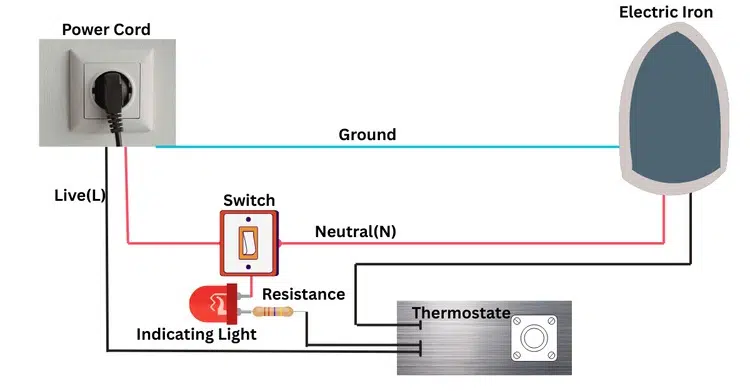
- Soleplate: The flat, triangular-shaped metal base that comes into direct contact with the fabric. It distributes heat evenly and smoothens wrinkles by applying heat and pressure.
- Heating Element: Converts electrical energy into heat. It is the core component that heats the soleplate.
- Thermostat: Regulates the temperature of the iron. It ensures the iron heats up to the desired level and prevents overheating. The thermostat uses a bimetallic strip to control the flow of electricity.
- Temperature Control Dial: Allows the user to set the appropriate temperature for different types of fabrics (e.g., silk, cotton, wool). It ensures safe and effective ironing without damaging the material.
- Handle: Provides a safe and comfortable grip for the user to maneuver the iron. It consist of heat-resistance material to prevent burns.
- Power Cord: Connects the iron to an electrical outlet. It supplies the electricity needed to power the heating element.
- Water Tank (in Steam Irons): Holds water that is converted into steam for ironing. Steam helps to relax fabric fibers and remove wrinkles more effectively.
- Steam Vents (in Steam Irons): Small holes on the soleplate that release steam onto the fabric. This adds moisture to the fabric, making it easier to iron.
- Spray Nozzle (in Steam Irons): Sprays a fine mist of water onto the fabric to tackle stubborn wrinkles.
- Indicator Light: Shows whether the iron is powered on and heating. It often turns off when the desired temperature is reached.
- Body Casing: The outer shell of the iron, usually made of heat-resistant plastic. Under this casing placed all the internal components and also provides insulation.
Working Principle of an Electric Iron
Resistance works on the principle of heating effect of electric current. Let’s know the step-by-step working of an electric press iron.
- When the electrical iron is plugged into a power outlet, electrical energy flows through the power cord into the iron. This energy is the primary source that powers the heating mechanism.
- Inside the iron is a heating element, typically made of nichrome (a nickel-chromium alloy). Nichrome is used because it has high electrical resistance and can withstand high temperatures without melting.
- As electricity passes through the heating element, the resistance generates heat due to the Joule heating effect (also known as resistive heating). This heat is transferred to the soleplate.
- The soleplate, usually made of metal (such as aluminum or stainless steel), absorbs heat from the heating element.
- The thermostat is a critical component that maintains the desired temperature of the iron.
- It uses a bimetallic strip made of two different metals with different expansion rates. When the soleplate reaches the set temperature, the bimetallic strip bends and breaks the electrical circuit, stopping the flow of electricity to the heating element.
- As the soleplate cools down, the bimetallic strip returns to its original position, reconnecting the circuit and allowing the heating element to heat up again. This cycle ensures that the iron maintains a consistent temperature.
- When the heated soleplate is pressed against fabric, the heat relaxes the long polymer chains in the material’s fibers.
- The pressure applied by the user helps to hold the fibers in a straightened position as they cool, effectively removing wrinkles and creases.
Steam Function (in Steam Irons)
- In steam irons, water from the built-in tank is heated to produce steam.
- The steam is released through vents in the soleplate, adding moisture to the fabric. This makes the fibers more pliable and easier to straighten, especially for stubborn wrinkles.
Types of Electric Irons
When it comes to garment care, not all irons are created equal. While they all share the same basic purpose—smoothing wrinkles with heat—manufacturers have developed different types of electric irons to suit various fabrics, usage frequency, and convenience needs. Understanding the distinctions between these types can help you choose the best appliance for your household.
Dry Iron
The dry iron is the most traditional and basic form of the pressing clothes machine. It relies solely on the heat generated by the heating element and the pressure applied by the user’s weight to remove creases.
- Typically flat and smooth without steam vents.
- With fewer internal components (no water pumps or tanks), they generally have a longer lifespan and require less maintenance.
- They are usually the most budget-friendly option.
Steam Iron
The steam iron is the most popular type found in modern households. It incorporates a water tank and vents on the soleplate to release hot steam while ironing. This steam penetrates the fabric fibers, relaxing them more effectively than heat alone.
- The combination of heat and moisture removes wrinkles much faster than a dry iron.
- It can be used as a dry iron (by turning off the steam) or for heavy-duty pressing on cotton and linen.
- Leaves clothes looking crisper and more professionally pressed.
Cordless Iron
Cordless irons offer a modern twist on the traditional design by removing the power cord that often gets in the way. These irons heat up via a separate charging base.
- This press iron rests on a base to heat up between passes.
- Complete freedom of movement without a tethered cord.
- Eliminates the frustration of the cord tangling or not reaching the end of the ironing board.
- You can iron in any direction without having to navigate around a wire.
Travel Iron
As the name suggests, these are compact, portable versions of standard irons designed for people on the go.
- Lightweight and easy to pack.
- Allows travelers to press their clothes in hotel rooms without relying on hotel services.
Steam Generator Iron
A step up from the standard steam iron, the steam generator consists of a handheld iron connected to a separate, large base station that houses a high-capacity water tank and boiler.
- Can iron through multiple layers of fabric at once.
- Drastically reduces ironing time for large loads.
- Powerful enough to steam curtains or hanging garments effectively.
Conclusion
Choosing the right electric clothes press iron machine is key to effective garment care and making your ironing tasks easier. Each type of electric press—be it dry, steam, cordless, travel, or steam generator—offers unique features and benefits tailored to different needs and lifestyles. Consider how often you iron, the range of fabrics you handle, and your preference for portability or advanced features. By understanding the strengths of each type, you can select the ideal iron that helps you keep your clothes looking their best with minimal effort.
FAQ
Can I use a steam iron without water?
Yes, almost all steam irons have a dry-ironing setting.
Are cordless irons as powerful as corded ones?
Cordless irons can be just as effective for standard ironing tasks, but they operate differently. They heat up on a charging base and then retain that heat for a short period of ironing.
Which type of iron is best for delicate fabrics like silk?
A dry iron is often the safest choice for delicate fabrics, as it eliminates the risk of water spots or steam damage. If using a steam iron, be sure to use it on the dry setting with the appropriate low temperature for silk or synthetics.
How do I clean the soleplate of my iron?
You can clean a cool soleplate with a soft cloth and a vinegar-and-baking-soda mixture to remove residue. For tougher buildup, commercial soleplate cleaners are available. Always check your iron’s user manual for specific cleaning recommendations to avoid damaging the surface.
How Does an Electric Iron Works
An electric iron works by converting electrical energy into heat through a heating element. The heat is transferred to the iron’s soleplate, which smoothens fabric when pressed. A thermostat regulates the temperature to prevent overheating.
Which Wire is Used to Make Electric Iron
Electric irons typically use nichrome wire as the heating element. Nichrome, an alloy of nickel and chromium, is chosen for its high resistance and ability to withstand high temperatures without oxidizing. This ensures efficient heating and durability in electric irons.

I am an electrical engineer and also a blogger. I write informative blog posts on topics related to electrical and electronics engineering. If you are interested in these topics, you are welcome to my site to read these articles.