
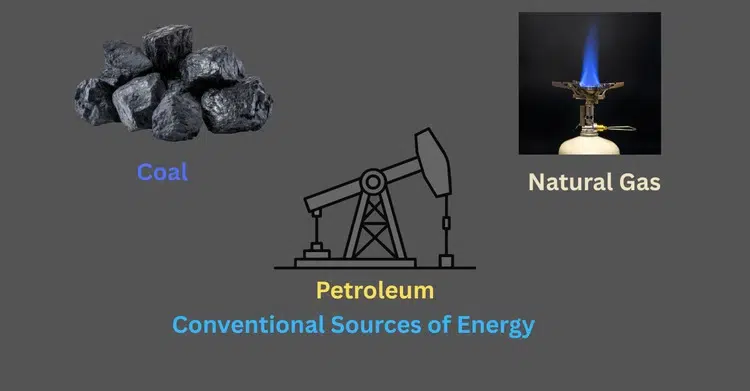
What is Conventional Sources of Energy
Traditional energy sources have been familiar to the world since ancient times, and they are still used extensively for energy production today. These primarily include fossil fuels such as coal, oil, natural gas, and nuclear energy. These sources are used worldwide for electricity generation, transportation, industry, and domestic purposes.
The conventional sources of energy are non-renewable sources, meaning they cannot be replenished when used. The energy sources given off pollute the air with carbon dioxide and other dangerous gases, which are a danger to the environment. These energy sources are still in practice to this day because there are limited non-conventional sources of energy. The importance and use of fossil fuel sources still play a significant role in the global energy structure.
What are Conventional Sources of Energy
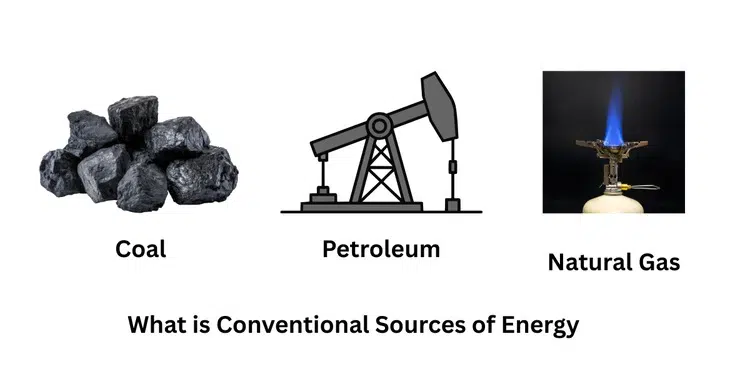
Conventional resources are those energy sources that we have been using for thousands of years and that are primarily natural resources. These sources of energy materials are limited and cannot be recycle. They are used extensively for power generation, transportation, industrialisation, and domestic purposes. Major conventional energy resources include coal, oil, natural gas, and nuclear power. They are also called traditional energy sources.
What are the Main Types of Conventional Energy Sources
Conventional resources have been used extensively since the Industrial Revolution and remain the primary means of energy production today. However, the availability of these energy sources is limited because they are derived from natural resources. Traditional energy sources still play a significant role in global energy supply. However, their contribution is gradually declining as the world moves toward renewable and clean energy sources.
Coal
Coal is the dominant traditional fossil energy source. It is a hydrocarbon, produced from organic matter based on plant life that has fallen and been decomposing under pressure and heat underground for millions of years. Most coal is used for electricity generation and steelmaking, and a range of industrial processes. But burning coal also emits huge quantities of carbon dioxide and other polluting gases, which damage the environment.
Petroleum
Crude oil (petroleum) is also a main traditional resource. It is commonly used as a fuel for transportation, power generation, and heating. Petroleum is used in the manufacture of petrol, diesel, kerosene, and LPG. But it is also in short supply, and its excessive utilization also causes environmental issues.
Natural Gas
Natural gas is a clean and efficient traditional source. Natural gas mainly contains methane (60%-75%) and CO 2 with trace amounts of other contaminants. It is also used for power/heat generation or applied as a fuel. Natural gas is less harmful to the environment than coal and oil, but it does not exist in unlimited supply.
How is natural gas produced?
Millions of years ago, dead plants, animals, and other organic matter accumulated in seas, lakes, and swamps. This organic matter became buried under layers of clay and sand. Over time, when this organic matter was subjected to intense pressure and high temperatures, it slowly transformed into gas and oil.
This process is called the thermogenic process. Natural gas becomes trapped in the pores of rocks (porous rocks). These are called reservoir rocks. To prevent the gas from rising upward, there is a sealing layer (cap rock) that keeps the gas trapped in one place.
Where is natural gas extracted from?
Natural gas is extracted from deep below the Earth’s surface. It is usually found alongside or independently of oil deposits. The following procedures are followed to remove it:
- Onshore Drilling
- Offshore Drilling
- Hydraulic Fracturing
What are the Advantages of Conventional Sources of Energy
Traditional sources of energy cause environmental problems, such as pollution and global warming. But they also offer many benefits, such as their abundant availability, high energy density, and reliability. Therefore, their judicious use and balancing with renewable energy sources is essential. The advantages of conventional energy sources are as follows:
Abundant Availability
- Traditional energy sources such as coal, petroleum, and natural gas are available in large quantities in many countries.
- This availability has long met the energy demand.
- Conventional resources were formed naturally inside the earth over millions of years and are easily found in many areas even today.
High Energy Density
- Thermal energy resources have very high energy density, meaning they provide a large amount of energy from a small amount of energy.
- The high energy density makes them suitable for heavy industries and power generation.
Reliability
- Traditional energy sources have been in use for a long time, and hence their technology is well developed.
- Coal and natural gas-based power plants provide consistent and stable energy, resulting in minimal disruptions to the energy supply.
Contribution to Industrial Development
- The Industrial Revolution was made possible by traditional energy sources, and even today, industries depend on them.
- These energy sources have boosted industrial production and strengthened the economy.
Established Infrastructure
The existing infrastructure makes the use of these sources easy and economical. All countries have extensive infrastructure for conventional energy materials, such as:
- Coal mines
- Oil refineries
- Gas pipelines
- Power plants
Cost-Effectiveness
- Conventional energy sources are very cheap to produce and use, especially in areas where they are abundant.
- The cost of electricity production is also low, making it accessible to the general public.
Continuous Source of Energy
- Today, all countries are providing energy 24/7 from sources like coal, petroleum, and natural gas.
- 24/7 access to electricity is especially important in hospitals, industries, and urban areas, which are currently supplied by carbon based energy resources.
Versatility
- Traditional energy sources are used in various sectors like: Power generation, transportation, domestic use, and industrial processes.
Employment Generation
- The creation of coal mines, oil refineries, and gas plants employs millions of people.
- Thanks to traditional energy sources, the economies of many countries have been strengthened, and local communities are also getting a livelihood.
Ease of Transportation and Storage
- Energy sources such as coal, petroleum, and natural gas can be easily stored and transported.
- Their distribution through pipelines, tankers, and trains is easy and effective.
How Conventional Energy Sources Impact on the Environment
Conventional energy materials such as coal, petroleum, natural gas, and nuclear power have fueled the development of human civilization. However, the use of these energy sources has serious environmental impacts.
Air Pollution
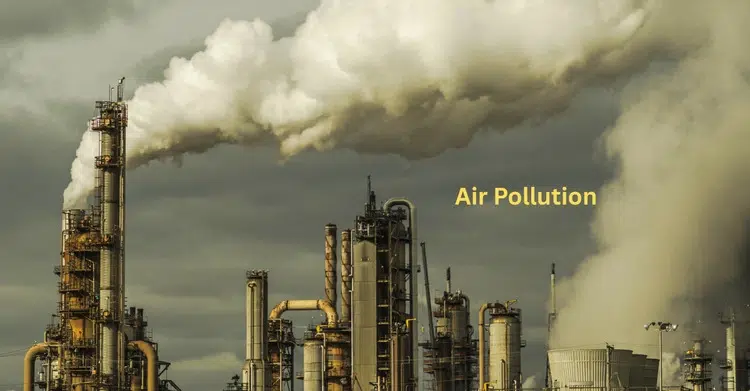
- Burning fossil fuels such as coal and petroleum emits large amounts of carbon dioxide (CO₂), sulfur dioxide (SO₂), nitrogen oxides (NOₓ), and particulate matter (PM).
- CO₂, SO₂, and NOₓ gases make the air poisonous and cause many respiratory diseases like asthma and bronchitis.
Greenhouse Gas Emissions and Climate Change
- Burning fossil fuels emits large amounts of CO₂, which increases the greenhouse effect. This is a major cause of global warming and climate change.
- Methane is released in significant quantities during the production and transportation of natural gas.
- Today, due to greenhouse gases, glaciers are melting rapidly, which is causing sea levels to rise, and the risk of flooding in coastal areas is also increasing.
Water Pollution
- During coal mining, many types of harmful chemicals and minerals are mixed in water sources, due to which pollutes the water gets polluted.
- Oil spills into the ocean cause significant damage to marine life. They pollute the water and are also fatal to marine life.
Land Degradation
- Mining for coal and other minerals causes rapid land erosion. The mining process also destroys soil fertility.
- Drilling for oil and gas causes permanent damage to the land and harms the ecosystem.
Impact on Flora and Fauna
- Land for coal mining and oil drilling is extensively deforested, destroying wildlife habitat.
- Air and water pollution affect both flora and fauna.
Radioactive Waste
- Radioactive waste from nuclear power plants is extremely dangerous to the environment.
- Its disposal is a major challenge nowadays, as it remains active for thousands of years and can pollute land, water, and air.
Noise Pollution
- Noise pollution is caused by heavy machinery and explosions during coal mining, oil drilling, and gas production.
Ecosystem Imbalance
- Excessive use of traditional energy sources disturbs the balance of the ecosystem.
- Apart from damaging biodiversity, it also causes environmental imbalance.
Impact on Human Health
- Pollutants released from burning conventional energy resources such as coal and petroleum cause respiratory diseases, heart disease, and cancer.
- Radioactive radiation from nuclear accidents (such as Chernobyl and Fukushima) has a devastating effect on human health.
Waste Management Issues
- The use of coal and other minerals produces large amounts of solid waste, which is very difficult to manage.
- During the refining of oil and gas, very harmful wastes are produced which pollute the environment.
Difference Between Renewable and Non-Renewable Energy Sources
There are several key differences between renewable and non-renewable energy sources. While both provide energy from the same source, their nature, availability, and environmental impact differ significantly. Let’s understand the differences in detail:
| Renewable Energy | Non Renewable Energy |
| Renewable energy sources are naturally occurring and never-ending sources of energy, such as solar energy, wind energy, hydropower, and bioenergy. | Non-renewable energy sources are available in limited quantities and cannot be regenerated once used, such as coal, petroleum, natural gas, and nuclear energy. |
| Renewable energy is more environmentally friendly because its use causes negligible pollution. | Non-renewable energy causes serious damage to the environment. |
| Renewable energy sources such as solar and wind power do not emit greenhouse gases. | Burning non-renewable energy sources such as coal and petroleum causes air pollution and greenhouse gas emissions. |
| Renewable energy has a high initial cost, such as installing solar panels or wind power plant turbines. | Non-renewable energy is initially cheaper, but its cost increases over time due to its limited reserves and increasing demand. |
| Renewable energy depends on the weather and natural conditions. For example, Solar energy is only available during the day and in clear weather. Wind energy depends on wind speed. | Non-renewable energy provides stable and consistent energy because it can be used at any time: examples, coal and gas-fired power plants. |
| Renewable energy is mainly used for power generation, domestic use, and small industries. | It is used extensively in industry, transportation, and heavy machinery. Examples: petrol and diesel are used in vehicles, and coal is used in power plants. |
| The use of solar and wind energy does not release any harmful gases. | Burning of coal and petroleum releases harmful gases like carbon dioxide and sulphur dioxide. |
Future Challenges Associated with Conventional Sources of Energy
Fossil fuels sources, such as coal, petroleum, natural gas, and nuclear power, have long been used to meet our energy needs. However, the overuse and limited availability of these sources pose many challenges for the future.
Limited Reserves
- Carbon based energy resources are available in limited quantities in this world. Their excessive use is rapidly depleting their reserves.
- If these are not used judiciously, they may lead to an energy crisis for the coming generations.
Rising Energy Demand
- The demand for these energies is increasing rapidly due to population growth and industrialization.
Environmental Impact
- The use of traditional energy sources pollutes the air, water, and land.
- Environmental problems and climate change could pose a serious threat to human life and ecosystems in the future.
Rising Cost of Energy Production
- As reserves of thermal energy sources dwindle, the cost of extracting and using them will increase.
- Rising energy costs can lead to economic imbalances.
Lack of Energy Security
- Numerous nations rely on the importation of oil and gas to fulfill their energy requirements. A disruption in supply could jeopardize energy security.
Land Degradation due to Mining and Drilling
- Land degradation can lead to shortage of cultivable land and imbalance of the ecosystem, which can lead to famine in the country.
Geopolitical Conflicts over Oil and Gas
- Oil and gas reserves are located in limited areas, leading to conflicts between countries. These conflicts can disrupt global peace.
Slow Transition to Renewable Energy
- If renewable energy is not adopted rapidly, the depletion of exhaustible energy sources may lead to an energy crisis in the future.
Conclusion
Coal, petroleum, natural gas, and nuclear power are traditional sources of energy that have paved the way to human civilization, both modern and ancient. It is these sources of energy that have powered us from the dawn of the Industrial Revolution to tonight. Their high energy density, reliability, and infrastructure place them at the focal point of today’s energy production. However, excessive use of these sources contributes to both environmental problems and climate change. Therefore, we must use conventional energy sources judiciously to control global warming.
FAQ
What is Conventional Sources of Energy With Example
Conventional sources of energy are traditional energy sources like coal, petroleum, natural gas, and hydropower, which are widely used for electricity and fuel. Examples include coal-fired power plants and hydroelectric dams.
Which of the Following is a Conventional Source of Energy
The main types of conventional energy sources are:
1. Coal
2. Petroleum
3. Natural Gas
4. Nuclear Energy
5. HydropowerHow Does the Use of Conventional Energy Sources Impact Climate Change?
1. Greenhouse gas emissions
2. Glacier melting
3. Sea level riseIs Hydropower a Conventional Source of Energy
Yes, hydropower is a conventional energy source that has been used for electricity generation for a long time. However, it is clean for the environment.

I am an electrical engineer and also a blogger. I write informative blog posts on topics related to electrical and electronics engineering. If you are interested in these topics, you are welcome to my site to read these articles.