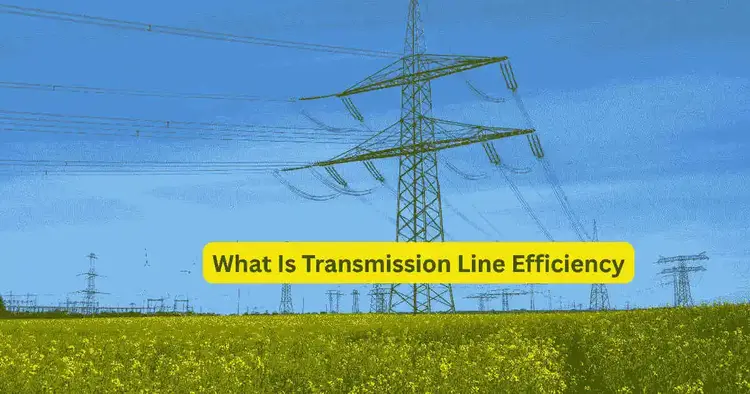
What is Transmission Line Efficiency
Transmission line efficiency tells you how well electrical power moves from the sending end of a line to the receiving end. In simple terms, it shows how much of the power sent into the line actually reaches the other end, rather than being lost along the way.
This matters because no transmission line delivers power perfectly. Some energy is always lost, mainly due to resistance, heat, and operating conditions. The better the efficiency, the more useful the power reaches homes, businesses, and industries.
In this article, you’ll learn what transmission line efficiency really means, why it matters in power systems, and how it connects to transmission losses. You’ll also see the main factors that affect it, such as line length, conductor resistance, current, and load conditions. Just as important, we’ll clear up a few common misunderstandings, like confusing efficiency with voltage level or assuming high efficiency means zero loss. By the end, you’ll have a clear, practical understanding of the concept.
What Is Transmission Line Efficiency?
Transmission line performance tells you how well electrical power travels from the sending end of a line to the receiving end. In simple terms, it shows how much of the power put into the line actually reaches the destination. That makes it a useful indicator of transmission performance, because it helps explain whether a power line is delivering electricity effectively or losing too much energy along the way.
Simple Definition
A simple way to understand transmission line efficiency is to think of it as the share of sent power that successfully arrives at the other end of the line. If more power reaches the receiving end, the line is operating more efficiently. If less power arrives, the line is losing more energy during transmission.
This matters because electricity does not move through a transmission line with zero loss. Some of it is lost as heat and due to other operating conditions. So, when we talk about electrical line efficiency, we are really talking about how well the system transfers usable power from one point to another.
What the Term Really Tells Us
The real value of high voltage transmission efficiency lies in its ability to show the balance between power delivered and power lost. It not only describes the movement of electricity. It tells us how much useful power reaches the load compared to how much is lost during transmission.
Here’s the key difference: a line may carry power over a long distance, but that alone does not mean it is performing well. A strong transmission system delivers a high portion of the sent power with lower losses. In this sense, transmission line performance reflects the line’s overall effectiveness.
For example, imagine a power source sends electricity to a distant area. If most of that power reaches homes, businesses, or equipment, the line is working efficiently. If a large part is lost before arrival, the system is less effective. So what this means for you is simple: higher efficiency usually means better power delivery and less waste.
Where the Concept Is Used
The concept of transmission line efficiency is used in several important parts of the power system.
Power Transmission Networks
In power transmission networks, efficiency indicates how well electricity flows along transmission lines from generation points to substations and end-use areas. It supports a better understanding of line performance across short and long distances.
Electrical System Planning
In electrical system planning, engineers and planners use power transmission efficiency to compare system performance and identify areas for improvement. It helps guide decisions about line design, materials, upgrades, and expansion.
Grid Performance Assessment
In grid performance assessment, transmission efficiency is used to evaluate how effectively the grid is operating as a whole. It can help reveal whether certain lines are underperforming, experiencing higher losses, or affecting overall system reliability.
The main takeaway is that efficiency of transmission line is more than a technical term. It is a clear way to understand how well power is delivered, how much is lost, and how effective a transmission line really is. This article will subsequently discuss why the efficiency of transmission lines matters in power systems.
Why Transmission Line Efficiency Matters
Transmission efficiency in power system matters because it indicates how well electrical power is transmitted from the source to the point of use. When efficiency is high, less energy is wasted during transmission. That means more of the electricity generated at the power plant actually reaches the people and systems that need it.
Reduces Wasted Energy
One of the biggest reasons electric power transmission efficiency is important is that it helps reduce power loss. As electricity travels through transmission lines, some of it is lost as heat due to resistance and operating conditions. The higher the efficiency, the smaller that loss becomes.
Lower losses improve overall system performance because more usable power reaches the receiving end.
Supports Cost-Effective Power Delivery
Efficient transmission lines also support more economical power delivery. When less electricity is lost in transit, utilities can deliver more usable power without generating extra energy to offset transmission losses.
For example, if a line performs efficiently, the network carries power more effectively and places less strain on the system. Lower losses can reduce the operating burden across the grid, improve resource use, and support better planning for growing demand. In that way, good electrical transmission efficiency is not just a technical benefit. It also supports practical and cost-aware power management.
Improves System Reliability
Another reason transmission line efficiency matters is its effect on grid performance and reliability. Better efficiency supports stable power transfer, which helps the system operate more smoothly under normal conditions.
When transmission losses remain low, the network is better able to provide dependable service over long distances. This is important because many power systems must move electricity from remote generation sources to cities, towns, and industrial areas.
Connects Generation to Real-World Use
High voltage transmission efficiency also plays a direct role in how electricity moves from generation to everyday use. Power generated at plants must travel through the transmission system before reaching homes, businesses, schools, hospitals, and factories. The efficiency of that journey affects how much of the original power is actually available at the other end.
This matters in both large national grids and smaller regional systems. In large networks, greater efficiency supports broad and stable distribution. In regional systems, it helps ensure local users receive reliable and effective power delivery. In both cases, power transmission efficiency is a key part of connecting electricity generation to real-world demand.
Overall, transmission efficiency in power system matters because it reduces wasted energy, supports cost-effective operation, improves reliability, and strengthens the link between power generation and everyday electricity use. Understanding its importance makes it easier to see why efficient transmission is essential to a strong power system.
The Relationship Between Sent Power, Received Power, and Losses
To understand transmission line efficiency, you first need to understand the relationship between sent power, received power, and power loss. These three ideas explain how well electrical power delivery works from the source to the destination.
Sent Power
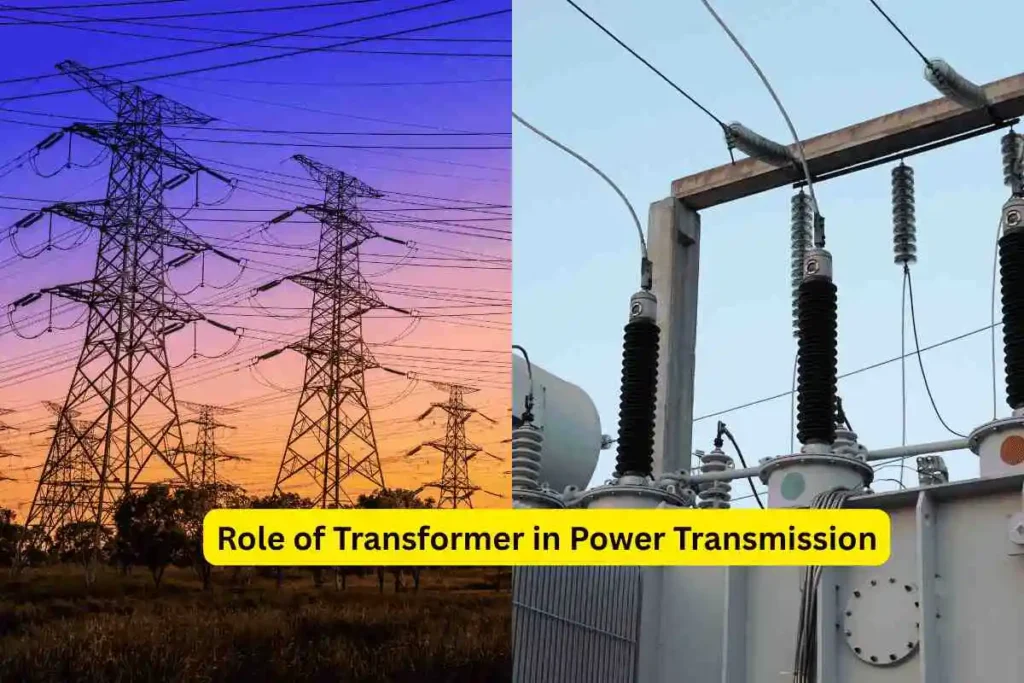
Sent power is the total electrical power fed into the transmission line at the source end. In simple terms, it is the amount of power that starts at the generating station or supply point. Several components, including transformers, circuit breakers, and other system equipment, play a very important role in sending power and its safe, efficient delivery into the transmission line. If you want to learn more about the role of transformers, you can read my article, What Is the Role of a Transformer in Power Transmission.
This is the full input power available at the beginning of the line. It includes both the power that will eventually reach the load and the portion that may be lost during transmission. When people talk about transmission performance, sent power is the starting point for understanding how much energy the system is trying to deliver.
Received Power
Received power is the useful power that reaches the destination end of the transmission line. This is the power actually available to homes, businesses, industries, or any connected load.
In practice, received power matters most to the end user. It shows how much of the original sent power completes the trip. The closer the received power is to the sent power, the better the line’s overall power delivery.
Transmission Losses
Transmission losses are the portion of electrical power that is lost as it travels through the line. This lost power does not reach the receiving end because some of it is converted to heat or is affected by line conditions.
These losses are often linked to factors such as:
- conductor resistance
- heat generated in the line
- current flow
- line length
- operating conditions
This is why no transmission line delivers power perfectly. Some amount of power loss is always present, even in a well-designed system.
How These Three Are Connected
The connection between sent power, received power, and losses is simple but important. The power fed into the line is divided into two parts: the power that reaches the load and the power that is lost on the way.
If transmission losses increase, received power decreases. That means less useful electricity reaches the destination. On the other hand, when losses stay lower, a larger share of the sent power reaches the receiving end. This leads to better efficiency of transmission line.
For example, if a transmission line sends a large amount of power but loses too much of it during travel, the system becomes less effective. But if most of that power reaches the load, the line is performing well. The key idea is simple: higher losses reduce useful output, while lower losses improve efficient power delivery.
In short, sent power is the input, received power is the useful output, and transmission losses are the wasted part in between. Understanding this relationship makes it much easier to see how power transmission efficiency reflects the real performance of a power system.
What Affects Transmission Line Efficiency?
Several factors affect transmission network efficiency, and each one influences how much electrical power reaches the receiving end. In simple terms, the more obstacles a transmission line faces during power delivery, the more power loss occurs along the way. Understanding these factors helps you see why some lines perform better than others under real operating conditions.
Line Resistance
Line resistance is one of the most important factors in high-tension line efficiency. When resistance is higher, more electrical energy is lost as heat while current flows through the conductor. This means less useful power reaches the destination.
What this means for you is simple: a line with high resistance wastes more energy during transmission. That is why reducing resistance is a key part of improving overall line performance.
Line Length
The length of a transmission line also affects efficiency. In most cases, longer transmission lines experience greater losses because electricity has to travel farther through the conductor. As distance increases, the chance of energy loss also increases.
This is especially important in large power systems where electricity must move over long distances from generating stations to cities or industrial areas. A longer path often makes efficient power delivery harder to maintain.
Current Flow
Current flow has a direct effect on transmission losses. When current increases, heating losses in the conductor rise as well. Higher current can therefore reduce power transmission efficiency, especially when the system is under heavy load.
For example, during periods of high electricity demand, lines may carry more current than usual. This can increase heat-related losses and reduce the amount of useful power that reaches the load.
Conductor Material and Size
The material and size of the conductor make a big difference in performance. Better conductor materials generally offer lower resistance, which helps reduce power loss. Proper conductor sizing also allows the line to carry power more effectively without excessive heating.
A well-designed transmission line uses conductors that match the required load and operating conditions. This improves efficiency and supports more reliable power transfer over time.
Load Conditions
Load conditions change how efficiently power is transmitted. When demand levels rise or fall, the transmission line operates under different stress levels. These changes affect current flow, system behavior, and overall energy loss.
In real-world operation, a line may perform efficiently under one load condition but less efficiently under another. That is why electrical line efficiency is not fixed. It can vary depending on how much power the system is trying to deliver.
Power Factor and System Conditions
Power factor and general system conditions also play a major role in transmission performance. A poor power factor can increase the current needed to deliver the same useful power, which can lead to higher losses. In the same way, poor operating conditions can reduce efficiency and place extra strain on the system.
System design and control matter too. The way a transmission network is planned, managed, and maintained affects how smoothly power moves through it. Good design and proper control help improve efficiency, while weak system conditions can lower overall performance.
In short, transmission efficiency in power system depends on a mix of electrical, physical, and operating factors. Resistance, line length, current flow, conductor quality, load conditions, and power factor all shape how well a transmission line delivers usable power. Understanding these factors makes it easier to see why efficient transmission requires more than just sending power from one point to another.
How to Interpret High and Low Transmission Line Efficiency
Understanding power line efficiency helps you read line performance more clearly. This section shows what high efficiency means, what low efficiency means, and why the result should always be judged in context rather than in isolation.
What High Efficiency Means
High voltage transmission line efficiency means that most of the sent power reaches the receiving end. In simple terms, the line is doing a good job of moving electrical power from the source to the load with relatively little loss along the way.
That usually points to lower transmission loss and better overall line performance. If a large share of the input power arrives at the point of use, the transmission line is operating effectively. This does not mean the line has zero loss, because every real transmission line loses some power during operation. It simply means the losses are smaller compared with the amount of useful power delivered.
In practice, high efficiency suggests that the system is transferring power more effectively. For utilities and system planners, that can mean stronger power delivery, less wasted energy, and more dependable network operation.
A simple way to look at it is this: when received power stays close to sent power, efficiency is high. That is usually a positive sign of a well-performing line under its current conditions.
What Low Efficiency Means
Low tension line efficiency means a larger portion of the transmitted power is lost before reaching the destination. As a result, the gap between sent and received power widens.
This often signals higher transmission loss and weaker line performance. The line is still delivering power, but less effectively because too much energy is being lost along the way.
Low efficiency may point to several kinds of limitations, such as:
- Higher resistance in the line
- Longer transmission distance
- Heavy current flow under demanding load conditions
- Poor conductor sizing or material choice
- System design or operating issues
That does not always mean the system is badly built. In some cases, lower efficiency is expected due to the type of line, the distance involved, or the operating conditions. Still, when efficiency drops too far, it may suggest that the system needs technical improvement, better control, or design changes.
So, low efficiency is best understood as a warning sign. It tells you that a greater share of power is being wasted before it can do useful work.
Why Interpretation Needs Context
This is where many readers get confused: a transmission efficiency value does not tell the full story by itself. You have to interpret it in relation to the system it belongs to.
For example, efficiency can vary because of:
- Line length
- Load level
- Current flow
- Operating conditions
- System design
A long transmission line may exhibit lower efficiency than a short one, even if both are operating within their design limits. In the same way, a line carrying a heavy load may experience more loss than it does under lighter conditions. That means one efficiency number cannot be fairly judged without knowing the context behind it.
Here’s how this looks in practice: if two systems have the same efficiency value, they may not be performing equally well. One may be a short regional line in need of improvement, while the other may be a long-distance transmission line operating within expected limits. The number is the same, but the meaning is different.
A common mistake is to assume that high efficiency is always good and low efficiency is always bad, without asking why the result appears that way. The better approach is to compare the value with the line’s purpose, design, distance, and operating condition.
Here’s the takeaway: high efficiency usually means more useful power reaches the load, while low efficiency means more power is lost during transmission. But the real meaning of any efficiency result depends on the system behind it.
For Utilities and Grid Operators
For utilities and grid operators, transmission line efficiency is an important measure of how well the network is performing. It helps them evaluate whether power is moving through the system with acceptable losses or whether certain lines are wasting too much energy.
This matters because efficiency data supports everyday and long-term decisions, including:
- planning new transmission routes
- upgrading old lines and equipment
- setting maintenance priorities
- improving overall grid performance
For example, if one part of the network shows lower efficiency than expected, operators can investigate the cause and decide whether the issue is linked to line condition, loading, or system design. In that way, electrical line efficiency becomes a practical tool rather than just a technical number.
For Industrial and Commercial Users
For industrial and commercial users, transmission power efficiency affects the quality and reliability of delivered power. Large facilities depend on stable electricity to run equipment, maintain production, and avoid costly interruptions. When transmission performance is weaker, the effects can spread to daily operations.
Efficiency can also influence:
- energy costs, because higher losses may increase the overall burden of power delivery
- equipment performance, especially in systems that need steady and dependable power
- operational reliability, which is critical for factories, data centers, and commercial buildings
A simple example is a manufacturing site that relies on continuous power for motors and process equipment. Better transmission efficiency supports more dependable service, while poor efficiency can add stress to the wider supply chain and affect operating results.
For Modern Energy Networks
In modern energy networks, overhead line efficiency is even more important as power systems grow larger, more connected, and more complex. It plays a key role in long-distance transmission, where electricity must travel far from generating stations to major demand centers.
It is also important for integrating renewable energy. Many renewable sources, such as wind and solar farms, are located far from cities and industrial zones. Efficient transmission helps move that electricity across the grid with lower losses, making clean energy delivery more practical and effective.
At the same time, high voltage line efficiency supports smarter grid expansion. As networks grow, planners need to know how well new and existing lines can deliver usable power. Strong efficiency supports more reliable, cost-aware expansion better suited to future energy demand.
Common Misconceptions About Transmission Line Efficiency
Transmission power efficiency is often misunderstood, especially among readers new to power systems. Clearing up these common misconceptions helps you better understand how power delivery really works and why efficiency matters in practical terms.
High Efficiency Means Zero Loss
One common myth is that high transmission line efficiency means there is no power loss at all. In reality, even a highly efficient transmission line still has some transmission losses.
Electricity moving through a line always faces some resistance and operating effects. That means a small part of the sent power is usually lost as heat or under normal system conditions. High efficiency simply means that most of the power reaches the receiving end, not that the line works with perfect zero loss.
Efficiency Is Only Important for Very Long Lines
Another misconception is that efficiency matters only for very long-distance transmission. While long lines often show greater losses, shorter lines can also experience power delivery issues and performance loss.
In practice, line resistance, current flow, load conditions, and conductor quality—all affect both short and long lines. So even in smaller or regional systems, transmission efficiency still plays an important role in system performance.
Efficiency and Voltage Are the Same Thing
Some people assume voltage level and efficiency mean the same thing. They are related, but they are not identical.
Voltage describes the electrical condition of the system, while efficiency shows how much of the sent power actually reaches the load. A system may operate at a given voltage level yet yield different efficiencies depending on losses, line design, and operating conditions. In simple terms, voltage is part of the picture, but it does not define transmission power line efficiency on its own.
Efficiency Only Matters to Engineers
It may sound like a technical topic, but transmission line efficiency matters to engineers and others. It affects reliability, electricity costs, and the quality of power reaching homes, businesses, and industries.
When efficiency is lower, more energy is lost during transmission. That can affect overall network performance and increase the system’s burden. So while engineers may measure it directly, the effects are felt by everyone who depends on a stable, efficient electricity supply.
It Is Only About Calculation
Many readers think efficiency is just a formula or a calculation used in textbooks. The numbers are important, but the concept also helps explain real-world system performance.
In other words, it is not only about calculation. It is also about seeing what the numbers mean in real operation.
Conclusion
Transmission line efficiency helps explain how effectively electrical power moves from the source to the receiving end of a transmission line. In simple terms, it shows how much of the sent power becomes useful received power and how much is lost along the way. That makes it an important indicator of overall power system performance, not just a technical term.
When you understand the relationship between sent power, received power, and transmission losses, it becomes much easier to see how well a transmission line is really working. A higher efficiency means more of the original power reaches the load, while greater losses reduce the system’s effectiveness.
The main value of this concept is clarity. You do not need to focus on detailed calculations to understand what electrical line efficiency tells you.
FAQ
-
Why does transmission line efficiency matter?
Transmission efficiency matters because it shows how much electricity reaches users instead of being lost on the way. Higher transmission power efficiency means lower energy waste, better system performance, and lower operating costs. If efficiency is low, utilities need to improve the line or reduce losses.
-
What causes power loss in transmission lines?
Power loss in transmission lines mainly happens because electrical resistance turns some energy into heat as electricity moves through the wires. Losses can also increase due to long line distance, high current, poor conductor quality, and weak maintenance.
-
Does higher voltage improve transmission line efficiency?
Yes, higher voltage usually improves high voltage line efficiency because it lets the same amount of power travel with less current. Lower current reduces heat loss in the wires, so more electricity reaches the destination. That’s why power is often sent over long distances at high voltage.
-
Do long transmission lines lose more power?
Yes, long transmission lines usually lose more power because electricity travels farther and faces more resistance in the wires. The longer the line, the greater the chance of energy being lost as heat.
-
How do companies improve transmission line efficiency?
Companies improve high tension line efficiency by reducing power loss across the line. In most cases, they use higher voltage, better conductors, regular maintenance, and updated equipment to help more electricity reach users with less waste.
-
Does transmission line efficiency affect electricity cost?
Yes, it can. When transmission efficiency is low, more electricity is lost during delivery, which can raise overall power system costs. Higher efficiency helps reduce waste and can help keep electricity costs more stable over time.
-
How can I think about transmission line efficiency in simple everyday terms?
Think of it like sending water through a long pipe. If less water leaks out on the way, the system is more efficient. In the same way, higher transmission efficiency means more electricity reaches homes and businesses with less energy lost.

I am an electrical engineer and also a blogger. I write informative blog posts on topics related to electrical and electronics engineering. If you are interested in these topics, you are welcome to my site to read these articles.