What is Non-Conventional Sources of Energy
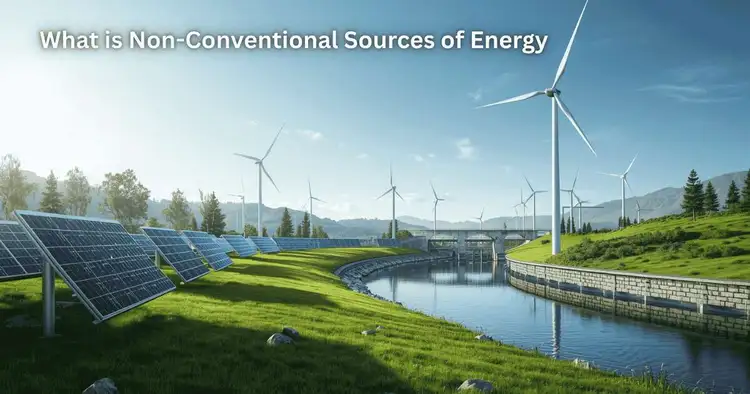
Non-conventional sources of energy are natural, renewable energy sources like solar, wind, water, and biomass. These are renewable energy sources that replenish themselves, and pollution is negligible. They give us clean energy without burning up the planet’s limited supplies. Understanding what non-conventional sources of energy are matters more than ever, because our demand for power keeps rising while fossil fuels like coal, oil, and natural gas keep shrinking.
Alternative energy sources are available year-round; they keep the air clean, entail lower costs, and strengthen future energy security. In this article, you will learn many unknown facts about alternative energy sources.
What are Non-Conventional Sources of Energy
For over a century, the world ran almost entirely on conventional energy sources: coal, oil, and natural gas. These fossil fuels powered our factories, lit our homes, and fueled our vehicles. Burning coal to boil water and drive a turbine—the operating principle of a steam power plant—remains a popular method of generating electricity. Since this method was very common, it came to be called “conventional.”
In contrast, non-conventional sources of energy are those that nature regenerates repeatedly, such as sunlight, wind, flowing water, geothermal heat, and organic waste. Because they refill naturally, they never run out the way coal or oil does. That is why people also call them renewable energy sources, alternative energy sources, or simply clean energy.
So why the name “non-conventional”? For most of modern history, the “conventional” way to make power was burning fossil fuels. These newer, cleaner options sat outside that old habit, so we labeled them non-conventional.
Difference Between Conventional and Non-Conventional Sources of Energy
| Aspect | Conventional Sources of Energy | Non-Conventional Sources of Energy |
| Definition | Energy sources that have been used for a long time and are obtained through traditional methods. | Modern energy sources developed more recently as alternatives to traditional sources. |
| Examples | Coal, petroleum, natural gas, and firewood. | Solar energy, wind energy, tidal energy, biogas, and geothermal energy. |
| Availability | Available in limited quantities and are gradually getting depleted. | Available in abundance and are renewed naturally over time. |
| Renewability | Non-renewable; once used up, they cannot be replaced quickly. | Renewable; they can be used again and again without running out. |
| Environmental Impact | Cause high levels of pollution and release greenhouse gases. | Clean and eco-friendly, with little or no pollution. |
| Cost | Lower initial cost, but more expensive in the long run. | Higher initial cost, but cheaper to run over time. |
| Efficiency | Provide a high and reliable energy output. | Efficiency depends on weather and location, such as sunlight or wind. |
| Usage/Applications | Widely used in electricity generation, transport, and industries. | Used for home electricity, water heating, and rural development. |
| Storage | Easy to store and transport. | Require special technology, such as batteries, for storage. |
| Future Scope | Limited future because these sources are depleting. | Considered very important for a sustainable future. |
Types of Non-Conventional Sources of Energy
There are several types of non conventional sources of energy, and each one taps into a different natural force. Some use sunlight, others use wind, water, heat, or even ocean waves. Below, we examine the key examples of non-conventional energy sources one by one, understanding how each works and the role it plays in our daily lives.
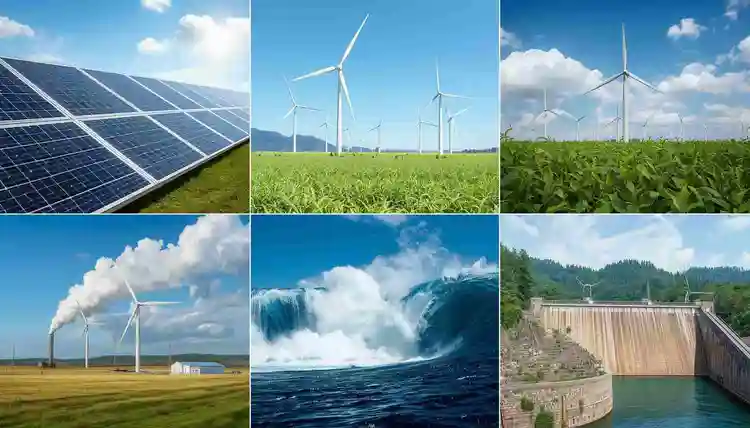
Solar Energy
Source: Solar energy comes straight from sunlight, the most abundant clean energy source we have.
How it works: Solar panels are fitted with photovoltaic (PV) cells made from materials like silicon. When sunlight hits these cells, it knocks electrons loose and creates an electric current. This is called the photovoltaic effect. The panels produce DC electricity, which an inverter then turns into AC electricity for use in homes, offices, and the power grid.
Wind Energy
Source: Wind energy uses the natural movement of air, a strong and renewable energy source in open, breezy regions.
Working principle: Wind pushes against the large blades of a turbine and spins them. This spinning shaft connects to a generator that turns the motion into electricity. The basic idea behind a wind power plant’s working is simple: moving air does the heavy lifting, and the generator converts that motion into usable power.
Bioenergy
Source: Bioenergy comes from biomass, which is organic waste. This includes crop leftovers, animal dung, food scraps, and industrial waste like sugar mill bagasse.
How biogas and biofuel are produced: Organic waste is mixed with water and sealed inside an airtight tank. Inside, bacteria break down the waste without oxygen and release methane gas over a few weeks. This gas, called biogas, can be burned for energy. Some crops are also processed into liquid biofuels like biodiesel and bioethanol.
Geothermal Energy
Source: Geothermal energy taps into the natural heat stored deep inside the earth. Hot springs and volcanic regions are common signs of this underground heat.
How it works: Engineers drill wells to reach hot water or steam below the surface. This steam rises and spins a turbine connected to a generator, which then produces electricity. The cooled water is often pumped back underground to keep the cycle going.
Hydropower
Source: Hydropower uses the energy of flowing or falling water, drawn from rivers, dams, and waterfalls.
Working: Water rushing down from a height spins a turbine, and the turbine drives a generator that makes electricity. Interestingly, this differs from a steam power plant working, where heat boils water into steam to spin the turbine. In hydropower, the moving water itself does the job, so no fuel is burned at all.
Tidal Energy
What it is: Tidal energy captures the power of ocean tides as they rise and fall each day.
How tides generate power: As tides move in and out, the flowing water spins underwater turbines, much like wind turns wind turbines. Some systems also use tidal barrages, which trap water at high tide and release it through turbines at low tide.
Ocean Energy
Ocean energy draws power from the sea in two main ways: wave energy and ocean thermal energy. Wave energy uses the up-and-down motion of waves, while ocean thermal energy uses the temperature gap between warm surface water and cold deep water.
How it works: Wave devices float on the surface and convert the rocking motion into electricity. Ocean thermal systems use the warm and cold water difference to drive a turbine and produce power.
Hydrogen Energy
Hydrogen energy uses hydrogen gas as a clean fuel. When hydrogen burns or reacts, its main byproduct is water, which makes it one of the cleanest alternative energy sources around.
How fuel cells work simply: A fuel cell combines hydrogen with oxygen from the air. This reaction creates electricity, with only heat and water left over. There is no smoke and no harmful gas.
Importance of Non-Conventional Sources of Energy
Beyond the day-to-day perks, these energy sources carry a deeper, long-term value for the whole planet. They are not just a smart choice anymore; they have become a real need. Here’s why non-conventional sources of energy matter so much on a bigger scale.
- Climate change response: Burning fossil fuels pumps out greenhouse gases that warm the earth and disturb weather patterns. Switching to clean energy cuts these emissions sharply, making renewable energy one of our strongest tools against climate change.
- Growing energy demand: The world’s population keeps rising, and so does its hunger for power. Homes, factories, and gadgets all need electricity. Non-conventional sources help meet this surging demand without draining limited fuel reserves.
- Depletion of fossil fuels: Coal, oil, and natural gas took millions of years to form, yet we are using them up fast. Once they run out, they’re gone for good. Alternative energy sources offer a steady backup that nature keeps refilling, so we never face a complete supply crisis.
- Rural electrification: Millions of people in remote villages still live without reliable power. Solar panels and small wind units can light up these areas cheaply, without the need for long, costly grid lines. This brings learning, healthcare, and opportunity to places that need it most.
- Sustainable development: True progress means growing the economy without harming the planet. Clean energy lets nations build industries, create jobs, and improve lives while keeping the air and water healthy for the years ahead.
- Long-term environmental protection: Cleaner energy means less air pollution, fewer toxic spills, and healthier soil and rivers. By choosing sustainable energy now, we protect forests, wildlife, and natural resources for future generations.
- Future energy transition: The whole world is slowly shifting from dirty fuels to cleaner ones. This shift, often called the energy transition, depends heavily on solar, wind, hydro, and hydrogen. Embracing these sources today helps every nation stay ready for tomorrow’s cleaner economy.
Applications of Non-Conventional Sources of Energy
Non-conventional sources of energy aren’t just about saving the planet. They power real, everyday tasks across homes, farms, and factories. From lighting your room to fueling a bus, these clean energy sources fit into countless parts of modern life. Here’s a closer look at where they make the biggest difference.
- Electricity generation: This is the largest and most important use. Solar farms, wind turbines, hydropower dams, and geothermal plants all feed electricity into the grid. Together, these renewable energy sources supply power to homes, offices, and entire cities without burning a single lump of coal.
- Water heating: Solar water heaters use the sun’s warmth to heat water for homes, hotels, and hospitals. They cut electricity bills sharply and work quietly on any sunny rooftop. Geothermal heat does a similar job in colder regions.
- Cooking: In many rural homes, biogas plants turn cow dung and farm waste into clean cooking fuel. This smokeless gas replaces wood and LPG, which keeps kitchens healthier and saves money. Solar cookers also harness sunlight to prepare daily meals.
- Street lighting: Solar street lights now glow across roads, parks, and village lanes. They charge during the day and light up after dark, all without grid wires. This makes them perfect for remote spots where power lines can’t reach.
- Transport fuel: Clean energy is reshaping how we travel. Biofuels like bio-diesel and bio-ethanol run vehicles, while hydrogen fuel cells power buses and cars that leave only water vapor behind. Electric vehicles charged with solar or wind power add another clean option.
- Industrial heating: Factories need huge amounts of heat for processes like drying, dyeing, and food processing. Geothermal steam and bioenergy supply this heat cleanly, helping industries cut both costs and pollution.
- Irrigation and rural power supply: Solar pumps lift water for crops without diesel or grid power. Small wind and solar units bring electricity to far-off villages, running lights, fans, and water systems where the main grid still hasn’t arrived.
How Non-Conventional Sources of Energy Work in Real
The science behind these energy sources can sound complex, but the basic idea is easy to grasp. Every non-conventional source does one simple job: it takes a natural force, like sunlight, wind, or water, and turns it into usable energy. Most of the time, that means electricity.
The trick lies in conversion. Nature provides the raw energy, and a clever device changes it into a form we can use at home. Let’s break it down step by step.
- Solar: sunlight → electricity. Solar panels catch the sun’s rays and turn them straight into electric current. No moving parts, no noise, light becoming power.
- Wind: wind kinetic energy → turbine rotation → electricity. Moving air pushes the turbine blades, the blades spin a generator, and the generator makes electricity. If you’d like the full picture, our guide on wind power plant working explains each step in detail.
- Hydro: flowing water → turbine → electricity. Water rushing down from a height spins a turbine, which drives a generator. It’s the same idea as wind, but water does the pushing instead of air.
- Biomass: organic waste → fuel/gas → heat/electricity. Waste like dung or crop scraps breaks down into biogas, which we then burn to make heat or run a generator.
Non-Conventional Sources of Energy Use in Real Life
These clean energy options have moved out of textbooks and into our homes, streets, farms, and roads. Here are some real-world examples that show how they work in everyday life.
- Rooftop solar panels: Walk through almost any city today, and you’ll spot solar panels on rooftops. Homes, schools, and offices use them to cut electricity bills and generate their own clean power. On a sunny day, a single rooftop system can run lights, fans, and appliances for a whole family.
- Solar street lights: Many roads, parks, and village lanes now glow at night thanks to solar street lights. They charge their batteries during the day and switch on after dark, all without a single wire from the grid. This makes them perfect for remote areas where power lines are hard to reach.
- Wind farms: Drive past open plains or coastal regions, and you’ll see rows of tall turbines spinning slowly. These wind farms feed large amounts of electricity into the grid. States with steady winds, like Tamil Nadu and Gujarat, rely heavily on them for clean power.
- Biogas plants in villages: In rural areas, many families run small biogas plants using cow dung and farm waste. The gas powers their cooking stoves, while the leftover slurry becomes rich fertilizer for crops. It’s a simple setup that turns daily waste into free fuel.
- Hydroelectric dams: Big dams across rivers do more than store water. They use the force of flowing water to spin turbines and generate huge amounts of electricity. Projects like the Bhakra Dam supply power to millions of homes and farms.
- Geothermal heating systems: In colder countries, buildings use the steady warmth from underground to stay cozy in winter and cool in summer. These geothermal systems pull natural heat from the earth, cutting the need for fossil fuels.
- Hydrogen fuel cell vehicles: A few buses and cars on the road now run on hydrogen. Instead of petrol or diesel, they use fuel cells that mix hydrogen with oxygen, and the only thing they leave behind is water vapor. They give us a glimpse of cleaner travel ahead.
Future Scope of Non-Conventional Sources of Energy
The road ahead looks bright for clean energy. As technology improves and costs fall, non conventional sources of energy are set to play an even bigger role in how the world makes and uses power. Here’s what the future likely holds.
- Rising energy demand: The global population keeps growing, and so does its need for electricity. Cities expand, gadgets multiply, and industries scale up. Clean energy offers a way to meet this rising demand without draining the planet’s limited fuel reserves.
- Growth of solar and wind: Solar panels and wind turbines are getting cheaper and more efficient every year. Many countries now build huge solar parks and offshore wind farms. These two sources are expected to lead the global shift toward sustainable energy.
- Better battery storage: One of the biggest hurdles has always been storing power for cloudy or calm days. New battery technology is changing that fast. Cheaper, longer-lasting batteries will soon make round-the-clock clean power a reality.
- Smart grids: Future power grids will be smarter and more flexible. They will balance supply and demand in real time, share clean energy efficiently, and reduce waste. This helps the grid handle solar and wind even when output keeps changing.
- Green hydrogen: Hydrogen made using renewable energy, known as green hydrogen, is gaining serious attention. It can store extra power, fuel heavy transport, and clean up tough industries like steel making, where electricity alone isn’t enough.
- Cleaner transportation: Electric and hydrogen vehicles are slowly replacing petrol and diesel ones. Charged with clean power, they cut emissions on our roads and make city air healthier to breathe.
- Sustainable cities: Tomorrow’s cities will be built around clean energy. Think rooftop solar on every building, electric public transport, and smart systems that save power. These green cities will grow without harming the environment around them.
Conclusion
Non-conventional sources of energy give us a clean, lasting way to power the world. They draw on sunlight, wind, water, heat, and waste, all forces that nature refills on its own. Unlike coal, oil, and gas, these renewable energy sources never run out and release far less pollution. Throughout this guide, we explored what they are, how they work, and where they fit into daily life. We covered their main types, real-world examples.
FAQ
What are non-conventional sources of energy?
Non-conventional sources of energy are renewable, clean energy sources like solar, wind, hydro, geothermal, and biomass. They refill naturally and cause far less pollution than fossil fuels such as coal, oil, and natural gas.
What are the main examples of non-conventional energy sources?
The main examples are solar energy, wind energy, hydropower, bioenergy, geothermal energy, tidal energy, ocean energy, and hydrogen energy. Each one taps into a different natural force to produce clean power.
What is the difference between conventional and non-conventional sources of energy?
Conventional energy comes from limited fossil fuels like coal, oil, and gas that pollute heavily. Non-conventional energy comes from renewable sources like sunlight and wind that never run out and cause much less pollution.
Is hydropower a non-conventional source of energy?
Yes, hydropower is a non-conventional source of energy. It uses the force of flowing or falling water to spin turbines and generate electricity, without burning any fuel.
Why are non-conventional energy sources important?
They fight climate change, meet rising energy demand, and reduce our dependence on shrinking fossil fuels. They also bring power to remote villages and support clean, sustainable development.
What are the advantages of non-conventional energy sources?
They are renewable, cause little pollution, and lower the need for fossil fuels. They strengthen energy security, have low running costs, and can supply power to far-off areas.
What are the disadvantages of non-conventional energy sources?
The main drawbacks are high setup costs, weather dependence, and storage challenges. Some also need large land areas, advanced technology, and the right natural conditions to work well.
Are non-conventional energy sources the same as renewable energy?
Yes, the two terms are mostly used to mean the same thing. Both describe clean, natural sources like solar, wind, and hydro that refill on their own and won’t run out.
Which non-conventional source of energy is most widely used?
Solar energy is among the most widely used today, thanks to falling costs and abundant sunlight. Wind and hydropower also play major roles in clean power generation worldwide.
How do non-conventional energy sources help the environment?
They release little to no harmful gases, which keeps the air cleaner and slows climate change. They also protect natural resources by reducing the need to burn coal, oil, and gas.

I am an electrical engineer and also a blogger. I write informative blog posts on topics related to electrical and electronics engineering. If you are interested in these topics, you are welcome to my site to read these articles.