What Is a Sine Wave Inverter?
A sine wave inverter is a device that converts direct current (DC) from a battery or solar setup into alternating current (AC) power that closely matches the grid-supplied AC. This matters because many homes, offices, and off-grid systems rely on stable AC power to safely run everyday appliances and sensitive electronics. In a home backup power system, a pure sine wave inverter helps maintain a smooth, reliable power supply during outages.
In an off-grid power system, it makes stored energy usable for real-world needs. If you, too, are wondering what a sine wave inverter is and why it is often preferred over other types of inverters, then this guide is for you. Then, you will learn how it works, its main types, common applications, specific benefits, potential drawbacks, and the factors to consider before purchasing the right sine wave inverter for your needs.
What Is a Sine Wave Inverter?
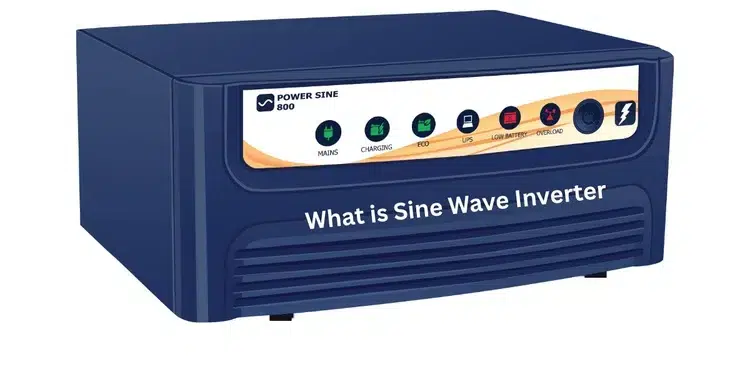
A sine wave inverter is an electrical device that converts DC electricity into AC electricity in a smooth wave pattern. In simple terms, it takes stored power from a battery or solar energy system and converts it into the kind of power most household devices can use.
A pure sine wave inverter, or true sine wave inverter, means the output current closely follows the clean, consistent waveform of standard utility electricity. This is important because many devices perform better when they receive stable power. A clean sine wave helps reduce noise, excess heat, and stress on connected equipment.
The primary function of a sine wave inverter is to convert DC power into AC power. However, this is not entirely accurate. While it is true that an inverter converts DC to AC power, it also stores electricity in batteries as DC power.
This implies that, while storing energy in the batteries, it simultaneously converts AC into DC. Incidentally, solar panels directly generate DC power from sunlight. Most household appliances and office equipment operate on AC power. The sine wave inverter bridges this gap by converting the stored or generated DC electricity into usable AC power.
This makes the inverter a key part of any backup power system, off-grid power system, or solar inverter setup. It allows you to use battery power during outages, in remote locations, or in mobile environments without losing compatibility with your devices.
Sine wave inverters are commonly used in:
- Home backup systems to run lights, fans, TVs, routers, and other daily-use appliances during power cuts
- Solar power systems convert stored solar energy into usable electricity for homes and small businesses
- RVs and mobile setups where reliable AC power is needed on the move
- Sensitive electronics such as laptops, medical equipment, audio systems, and advanced chargers that need clean and stable power
In short, if you want safe, smooth, and utility-like power from batteries or solar energy, a sine wave inverter is often the best choice.
How Does a Sine Wave Inverter Work?
To understand how a sine wave inverter works, it helps to start with the type of power it handles. Batteries and solar panels produce direct current, or DC power. Most home appliances, however, run on alternating current, or AC power. A sine wave inverter overcomes this shortcoming by converting stored DC power into usable AC power, while simultaneously providing a DC supply to the battery for charging whenever grid power is available.
The basic idea behind DC-to-AC conversion is simple, but the process inside the inverter is carefully controlled. A sine wave inverter takes battery power or solar input and uses fast electronic switching to transform it into an AC signal. Instead of sending out rough or uneven power, it shapes the output into a smooth, continuous inverter waveform that closely matches the grid-supplied electricity.
This is what makes the pure sine wave inverter’s working principle so important. The inverter uses control circuits and switching components to create a stable wave pattern. These components turn the current on and off at very high speed, then regulate the timing with extreme precision. That waveform control helps produce clean AC power, which is especially useful for devices that require a steady, reliable supply.
In simple terms, the output stage is the part of the inverter that refines and delivers the final power to your appliances. After the current is processed and shaped, the inverter sends out AC power in a form that televisions, refrigerators, laptops, chargers, and other equipment can safely use. A well-designed output stage helps the power stay smooth, balanced, and close to standard utility power.
Output quality matters because poor-quality power can affect appliance performance. Some devices may produce noise, heat up more than normal, or work less efficiently when the waveform is not clean. By delivering a smooth sine wave, a solar power inverter or backup inverter helps protect sensitive electronics, supports better motor performance, and improves overall safety in daily use. If you are interested in learning how a basic inverter works, you can read our article how an inverter works
DC to AC Conversion Basics
Inside the inverter, internal circuits process that incoming DC electricity. Electronic switching devices rapidly control the flow of current, while waveform control circuits shape it into alternating current. This step is the core of how does a sine wave inverter work, because the inverter is not just changing voltage—it is creating a usable AC pattern from a DC source.
Once the current has been processed, the output is shaped into a smooth sine wave pattern for AC-powered devices. This clean waveform allows lights, fans, home appliances, and modern electronics to run more smoothly and safely. That is why a sine wave inverter is often preferred when reliable clean AC power and broad device compatibility are important.
Why the Waveform Matters
The inverter waveform plays a big role in how well your devices perform. A pure sine wave inverter creates a smooth and continuous wave, much like the electricity supplied by the grid. This smooth output helps appliances and electronics run stably and predictably.
When the waveform is clean, devices face less electrical noise, less unwanted vibration, and less heat buildup. That matters because poor-quality power can put extra stress on motors, chargers, audio equipment, and other connected loads. Over time, rough power may affect performance and even shorten equipment life.
A smooth waveform also helps sensitive electronics work more efficiently. Devices such as laptops, medical equipment, modern televisions, and communication systems often require clean AC power for safe, reliable operation. In simple terms, better waveform quality means better power conversion, smoother operation, and more peace of mind.
Key Components of a Sine Wave Inverter
To understand how a sine wave inverter works, it helps to look at the main internal components that drive the process. These sine-wave inverter components work together to convert DC electricity into safe, usable AC power. Each part has a clear role in the overall power conversion process.
Battery or DC Input Source
Every inverter starts with a DC input source. This is the supply that provides direct current to the inverter, usually from a battery bank, solar battery system, or another DC power source. Since most batteries store energy as DC, the inverter needs this input before it can begin the conversion process.
The quality and voltage of the DC supply can affect inverter performance. A stable input helps the inverter deliver better output and maintain reliable operation.
Oscillator and Control Circuit
The oscillator and control circuit act like the brain of the inverter. It helps create the timing signals needed to produce AC output. In a pure sine wave inverter, this part carefully controls how the current is switched and shaped.
This circuit is also responsible for waveform control. It helps the inverter produce a smooth AC waveform rather than a rough or uneven one. In simple terms, it tells the rest of the system when and how to operate so the output remains stable and close to utility power.
Switching Devices
Switching devices are components that perform high-speed electrical operations within the inverter. They rapidly turn the current on and off to support DC-to-AC conversion. Common components used here include MOSFETs and IGBTs.
- MOSFETs are often used in smaller or medium-sized inverters because they switch quickly and efficiently.
- IGBTs are commonly used in larger systems that require higher power handling.
These components are essential for efficient power conversion. Their speed and control help the inverter generate the waveform needed for smooth AC output.
Transformer or Transformer less Design
A sine wave inverter may use either a transformer-based design or a transformerless inverter design, depending on the model and application.
A transformer-based inverter uses a transformer to adjust voltage and provide electrical isolation. These systems are often known for strength and reliability. On the other hand, a transformerless inverter is usually lighter, more compact, and often more efficient. That is why it is common in many modern solar and backup systems.
Both designs can work well. The right choice depends on power needs, safety requirements, cost, and system design.
Filter Circuit
After the current is switched and shaped, the filter circuit helps clean the output. Its main job is to smooth the waveform so the inverter can deliver clean AC power.
Without proper filtering, the output may contain extra electrical noise or irregularities. A good filter circuit improves the final wave shape and helps connected appliances receive a more stable supply of electricity. This is especially important for sensitive electronics and equipment that perform best with a clean power supply.
Protection System
An inverter also needs a reliable inverter protection system to operate safely. This part protects both the inverter and the connected appliances from common electrical problems.
A typical protection system may include:
- Overload protection to stop damage when too many devices are connected
- Short-circuit protection to prevent faults from causing serious harm
- Overheating protection to shut down or limit operation if temperature gets too high
- Low-voltage protection to protect the battery and inverter from unsafe input levels
- Surge protection to handle sudden spikes in power
These safety features make the inverter more dependable in daily use. They also help protect your investment and reduce the risk of damage to household devices and electronic equipment.
Main Types of Sine Wave Inverters
When comparing the types of sine wave inverters, it helps to know that not every model is built for the same job. Some are made for clean power at home, some work with the utility grid, and others are designed for remote or flexible energy systems. Understanding these categories makes it easier to choose the right inverter for your solar power system, backup power setup, or everyday appliance use.
Pure Sine Wave Inverter
A pure sine wave inverter produces smooth, utility-like power that closely matches the AC electricity supplied by the grid. This clean output is important because many devices perform best when they receive a stable, consistent current rather than a rough or irregular power supply. In simple terms, it delivers clean, safe, reliable AC power for daily use.
This type of inverter is often the best choice for sensitive electronics and motor-based appliances. Laptops, televisions, medical devices, refrigerators, washing machines, and power tools all tend to perform better on a pure sine wave output. A motor, for example, usually runs cooler and more smoothly when the power waveform is clean. If your goal is broad compatibility and steady performance, this is often the most trusted option.
Grid-Tied Sine Wave Inverter
A grid-tied sine-wave inverter is designed to operate directly with the utility power system. It converts DC electricity, usually from solar panels, into AC electricity that matches the local grid’s voltage and frequency. This allows the inverter to supply usable power to the property while staying in sync with the utility line.
This type is common in a solar power system that is connected to the grid. Homes and businesses use it to make solar energy usable during the day and, in many setups, to reduce dependence on utility electricity. Because it is built to match grid conditions, a grid-tied solar inverter is a key component of on-grid solar installations that require smooth integration with utility power.
Off-Grid Sine Wave Inverter
An off-grid sine-wave inverter is designed for systems that operate without a utility connection. Instead of relying on grid electricity, it draws on stored DC power from batteries or solar energy systems and converts it to AC power for everyday use. This makes it a practical choice when grid access is limited or unavailable.
You will often find this type of inverter in remote homes, cabins, farms, and standalone energy setups. It is also widely used in a backup power setup where independent power is needed during outages. Because it provides reliable, clean AC power without relying on the grid, it is a strong solution for users who need energy freedom and dependable off-grid performance.
Hybrid Sine Wave Inverter
A hybrid sine wave inverter combines several functions in one system. It can convert DC to AC, charge batteries, and manage power from both solar and grid sources. This makes it more advanced than a basic inverter, since it can decide when and how to use different energy sources based on system needs.
This flexibility makes the hybrid sine wave inverter useful for homes and businesses seeking smarter energy management. For example, it can use solar power first, switch to battery storage when needed, and then draw from the grid if required. That kind of flexible power-source switching is especially valuable in modern energy systems, where efficiency, backup support, and smoother power control all matter.
Advantages of a Sine Wave Inverter
- Clean, stable power output: A sine wave inverter delivers AC power that closely matches utility-grade AC, helping devices run smoothly and reliably.
- Safe for sensitive electronics: It is well-suited for laptops, TVs, medical devices, audio equipment, and other electronics that require steady and clean power.
- Better for motor-based appliances: Devices with motors or compressors, such as refrigerators, fans, pumps, and washing machines, usually perform better on a pure sine wave output.
- Lower noise and less interference: A smoother waveform can reduce buzzing, humming, and electrical interference in connected devices.
- Improved energy efficiency: Many appliances and electronic devices operate more efficiently when they receive clean AC power.
- Helps extend equipment life: Reduced electrical stress can support longer life and more reliable performance for connected devices.
Limitations of a Sine Wave Inverter
- Higher cost: A sine wave inverter usually costs more than a modified sine wave inverter.
- Advanced design increases price: Its internal components and waveform control system are more sophisticated, which can raise the product cost.
- May be unnecessary for basic loads: For very simple devices or low-demand use cases, a sine-wave inverter may be more than needed.
- Performance depends on setup: Output quality also depends on proper sizing, battery quality, system design, and correct installation.
Common Applications of Sine Wave Inverters
The common applications of sine wave inverter systems are wide-ranging because they provide smooth, stable AC power that closely matches utility electricity. This makes them a reliable choice for situations where device safety, performance, and power quality matter.
- One of the most common uses of a pure sine wave inverter is home power backup. During a power cut, a sine wave inverter can run essential appliances such as lights, fans, routers, televisions, and refrigerators with a more stable output. Because the power is cleaner, it is also a safer option for modern household electronics.
- A sine wave inverter is also widely used in a solar energy system. Solar panels and batteries store or supply DC electricity, but most home and office devices need AC electricity. The inverter handles that conversion, making solar power usable in daily life. This is one reason sine wave inverters are so important in both grid-connected and off-grid solar setups.
- Another key use is support for office and IT equipment. Computers, servers, networking devices, printers, and communication systems often require steady, reliable power. In these environments, office equipment power backup is not just about keeping devices on. It is also about preventing sudden shutdowns, data loss, and power-related stress on sensitive systems.
- In healthcare settings, a medical equipment inverter can be especially valuable. Many medical and laboratory devices require clean and stable power for safe operation. A sine wave inverter is often preferred for equipment that cannot risk unstable output, electrical noise, or unnecessary interruptions.
- Sine wave inverters are also popular in RVs, boats, and mobile work setups. A good RV power inverter can make travel and remote work much easier by powering laptops, chargers, small appliances, tools, and entertainment devices. Because the output is smooth, it works better with a wider range of electronics while on the move.
- In addition, these inverters are used in industrial and field applications where a stable AC output is essential. Remote job sites, service vehicles, field equipment, and mobile technical units often need dependable power for tools, testing devices, and communication systems. In such cases, consistent output quality can make a big difference in both safety and performance.
What to Consider Before Buying a Sine Wave Inverter
If you are comparing models, it helps to know what to consider before buying a sine wave inverter. The right choice depends on your power needs, the type of devices you want to run, and the overall system setup. Looking at a few practical factors can help you avoid buying an inverter that is too small, too large, or simply not suited to your use case.
Power Rating
The first thing to check is the inverter power rating. This tells you how much load the inverter can handle during normal operation. Pay close attention to both continuous wattage and surge capacity.
Continuous wattage is the amount of power the inverter can supply steadily over time. Surge capacity is the extra power it can provide for a short moment when devices with motors or compressors start up. Appliances such as refrigerators, pumps, and some power tools may need higher starting power than their normal running load. For best results, add up the total load of the devices you plan to use and choose an inverter with enough capacity to handle both regular demand and startup surges.
Input and Output Voltage
You should also confirm the input and output voltage before buying. The inverter input must match your battery bank voltage, such as 12V, 24V, or 48V, depending on the system. The output voltage must also match the requirements of your appliances and local electrical standards.
If the voltage is not properly matched, the inverter may not operate efficiently, and connected equipment may not perform as expected. This is a simple check, but it is one of the most important parts of choosing the right model.
Efficiency
Inverter efficiency affects how much energy is lost during power conversion. A more efficient inverter wastes less energy as heat and makes better use of battery or solar power. This matters even more in backup and off-grid setups where every bit of stored energy counts.
When comparing models, look for strong conversion rates alongside reliable real-world performance. A high-efficiency inverter can improve runtime, reduce energy loss, and enhance overall system performance.
Number and Type of Output Ports
The number and type of output ports should match how you plan to use the inverter. Some models include standard AC outlets for household devices, while others offer USB ports for phones, tablets, and small electronics. Larger systems may also support hard-wired connections for permanent installation.
Think about whether you need a portable setup, a vehicle-based installation, or a fixed home backup system. Choosing the right output options makes the inverter more practical and reduces the need for extra adapters or extensions.
Protection Features
Good protection features are essential for safe use. A reliable sine wave inverter should include protection against overload, overheating, low battery voltage, and short circuits. These features help protect both the inverter and the devices connected to it. Step-by-step guidance on connecting an inverter at home, check out our article, how to connect an inverter at home.
Overload protection helps when too many devices are connected at once. Temperature protection reduces the risk of overheating-related damage. Low-battery protection helps prevent harmful battery drain. Short-circuit protection adds another layer of safety in the event of a wiring fault or a sudden electrical issue. Strong safety features are not optional. They are a basic part of a dependable inverter.
Build Quality and Cooling
Build quality matters because an inverter often works for long hours under varying load conditions. Look for solid construction, durable materials, and a design that feels made for real use rather than occasional light duty.
Cooling is just as important. Good cooling fans and proper heat management help maintain performance and protect internal components. An inverter that runs cooler is generally more reliable, especially in demanding environments such as hot climates, enclosed spaces, or mobile installations.
Brand Support and Warranty
Finally, consider the manufacturer’s support and warranty. Even a well-built inverter can need service, replacement parts, or technical guidance at some point. Choosing a reliable brand with strong customer support can save time and frustration later.
A good warranty also adds confidence to your purchase. It shows that the manufacturer stands behind the product and provides some protection if a problem arises after installation. When comparing options, support and warranty can be just as important as price.
Conclusion
A sine wave inverter is a smart choice when you need clean, safe, stable AC power that is close to standard utility electricity. Converting DC power from batteries or solar storage into a reliable AC output helps run everyday appliances more smoothly. It supports better performance in systems where power quality really matters.
Its value becomes even clearer when you look at real-world use. A good sine wave inverter is ideal for sensitive electronics, works well in solar systems, adds reliability to backup power setups, and makes mobile setups like RVs and boats more practical. The smooth output can reduce noise, lower stress on connected devices, and improve overall usability across many applications.
In the end, the best inverter is not simply the most powerful or the most expensive one. The right choice depends on your actual power needs, the types of devices you want to run, and how much you plan to spend. Start by matching the inverter to your load, device compatibility, and budget to get reliable performance without overpaying.
FAQ
Who should buy a sine wave inverter?
A sine wave inverter is a good choice for people who use sensitive electronics like laptops, TVs, computers, or medical devices. It is also helpful for anyone who wants safer, smoother, and better quality backup power at home.
Is a sine wave inverter good for backup power?
Yes, a sine wave inverter is a good choice for backup power during power cuts. It can safely run important devices like lights, fans, routers, laptops, and other basic appliances with smooth and stable power.
What is the difference between a sine wave inverter and a normal inverter?
A sine wave inverter gives smoother and cleaner power, which is more like the electricity in your home. A normal or modified inverter gives rougher power, so some devices may not work as well or may make more noise.
Can a sine wave inverter run home appliances?
Yes, a sine wave inverter can run many home appliances, such as fans, lights, TVs, and chargers. It can also run some bigger devices, but that depends on the inverter’s power capacity and the appliance’s power need.
Is a sine wave inverter safe for sensitive electronics?
Yes, a sine wave inverter is usually safe for sensitive electronics. It gives power that is very similar to normal home electricity, so devices like laptops, TVs, and chargers can run more smoothly and safely.
Which devices can be used with a sine wave inverter?
You can use many common devices with a sine wave inverter, such as TVs, laptops, fans, refrigerators, and phone chargers. It is a good choice for both basic home appliances and sensitive electronics because it provides smooth and stable power.
Why is a sine wave inverter important?
A sine wave inverter gives clean and stable power, similar to normal home electricity. This is important because sensitive electronics and many appliances work better, safer, and more smoothly with this type of power.

I am an electrical engineer and also a blogger. I write informative blog posts on topics related to electrical and electronics engineering. If you are interested in these topics, you are welcome to my site to read these articles.