What are the Electrical Safety Rules
Electricity powers our daily routines, but ignoring its raw energy invites immediate disaster. A single sparked wire, a frayed cord, or a wet surface can destroy property and cause severe injuries in seconds. To protect human life and safeguard our buildings, we must follow strict safety rules every time we interact with power sources.
This article known what are electrical safety rules and also breaks down the essential electric safety guidelines you need to secure your environment. We will walk you through critical practices, from conducting a basic appliance safety check to mastering emergency response procedures, ensuring you know exactly how to handle power safely at all times.
Understanding Electrical Safety Rules
Electrical safety rules act as a clear set of protocols designed to prevent accidents during everyday activities and complex installation & maintenance work. They define exactly how we should handle active currents, dictating everything from proper extension cord usage to strict wiring installation standards.
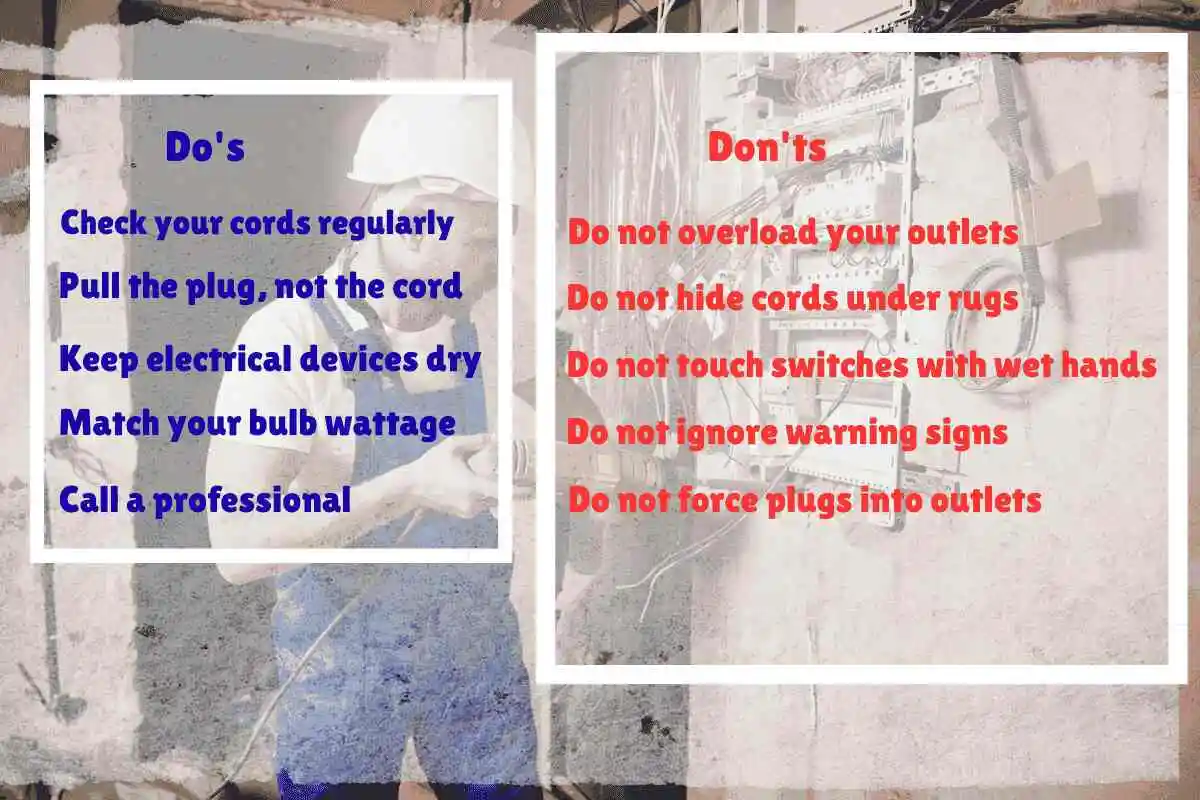
By following these specific instructions, you achieve reliable electrical shock prevention and keep your environment secure. These standards also dictate the safe handling of gear, ensuring proper electrical tools safety for both amateur DIYers and professional electricians.
Why Safety Rules are Critical for Homes and Workplaces
We rely on massive amounts of power in our living rooms and on factory floors. Practicing strict home electrical safety keeps your family out of harm’s way. Implementing childproofing electrical outlet strategies and basic outlet safety measures physically blocks curious kids from live electric currents.
Furthermore, maintaining short circuit awareness and scheduling regular circuit breaker maintenance prevents hidden wall fires. You can even protect your property from sudden severe weather spikes by installing a reliable lightning arrester.
In commercial settings, workplace electrical safety becomes even more vital due to high-voltage machinery. Employees must wear insulated personal protective equipment to survive unexpected faults.
Facilities must apply proper grounding techniques and enforce strict power line precaution protocols for outdoor teams. By consistently testing electrical system performance, businesses stop a dangerous overloading circuit from shutting down operations and causing massive damage.
Common Misconceptions about Electrical Safety
Many people hold dangerous misconceptions about handling electricity. Some believe that low voltage means low danger, but even a standard wall plug can deliver a fatal shock if handled with wet hands. Others assume that if a device turns on, it is perfectly safe to use indefinitely. In reality, failing to inspect your cords and plugs often leads to sudden malfunctions. You must never assume a system is flawless just because the lights turn on. Always follow verified protocols to secure your space and keep everyone safe.
Key Electrical Safety Rules for Homes
Securing your living space requires consistent attention to electrical general safety rules. Practicing proactive home electrical safety protects your family from hidden dangers that build up quietly over time. By following these specific guidelines, you create a secure environment for everyone in your house.
- Avoiding Water Near Electrical Appliances: Water and electricity create a deadly combination. Because water easily conducts raw power, a plugged-in device dropped into a wet sink instantly electrifies the surrounding area. Keep items like hairdryers, radios, and kitchen blenders far away from tubs and water basins. Keeping electronics dry serves as your most effective method for daily electrical shock prevention.
- Unplugging Unused Devices: Leaving gadgets plugged into the wall constantly draws a hidden current, even when you switch them off. Unplugging items like toasters, phone chargers, and space heaters when you finish using them stops this constant energy drain. More importantly, removing the plug entirely eliminates the risk of a sudden power surge sparking a fire while you sleep or leave the house.
- Childproofing Outlets: Curious toddlers often try to push toys, keys, or fingers into open wall sockets. You must prioritize childproofing electrical outlet points in every low-level area of your home. Use solid plastic plug covers or install modern tamper-resistant receptacles that block foreign objects automatically. Applying these strict outlet safety measures keeps young children completely safe while they explore their surroundings.
- Regular Inspection of Cords and Outlets: Everyday wear and tear degrades your cables and wall sockets. You should perform a monthly appliance safety check to spot frayed wires, cracked casing, or loose connections. If you find scorch marks or smell burning plastic near a plug, cut the power instantly. Calling a certified electrician to verify your home meets proper wiring installation standards prevents massive failures. Addressing these small warning signs early forms the foundation of smart emergency response procedures.
Essential Electric Safety Guidelines for Workplaces
Commercial and industrial environments expose workers to massive amounts of power every day. To keep your facility completely secure, you must enforce strict safety rules across all departments. Prioritizing workplace electrical safety prevents devastating accidents and keeps your daily operations running smoothly. By implementing these mandatory practices, we protect our teams from severe hazards.
- Implementing Lockout/Tagout Procedures: When technicians repair heavy machinery, they must ensure the power stays completely off. Lockout/Tagout (LOTO) protocols use physical locks and visible warning tags to block switches and breakers. This prevents another worker from accidentally turning the power back on while someone else works inside the machine. Consistently applying these locks serves as your strongest defense against sudden, accidental energization.
- Using Personal Protective Equipment (PPE): Working near live currents requires specialized gear. Technicians must wear insulated gloves, flame-resistant clothing, and rubber-soled boots. This personal protective equipment acts as a critical physical barrier between the human body and raw electricity. Supplying your staff with the right gear guarantees effective electrical shock prevention during routine or hazardous tasks.
- Training Employees on Hazard Recognition: Your entire team needs to know how to spot danger before an accident happens. Regular training builds vital short circuit awareness among your staff. When employees understand how to identify burning smells, sparking panels, or a dangerous overloading circuit, they can stop work immediately and report the issue. Educating your team also ensures everyone knows exactly how to execute your established emergency response procedures during a crisis.
- Performing Proper Equipment Maintenance: Ignoring minor machinery faults leads to massive system failures. You must schedule routine maintenance to catch worn-out parts and degraded wires early. By actively testing electrical system performance, you identify hidden flaws before they trigger a sudden fire or breakdown. Maintaining strict electrical tools safety by inspecting all handheld devices daily keeps your workers completely secure on the floor.
Advanced Safety Measures
When we deal with complex setups or high-voltage environments, basic precautions are not enough. We must implement advanced safety rules to protect our facilities from massive failures. Moving beyond simple habits requires a deep understanding of how power flows and how systems fail. By applying these robust strategies, you build a highly secure environment that actively prevents severe accidents.
- Importance of Grounding and Circuit Breakers: A stable electrical system requires a safe escape route for rogue currents. Applying proper grounding techniques directs excess electricity straight into the earth, moving it safely away from your body during a sudden fault. Circuit breakers act as your first line of defense by instantly shutting off power when they detect abnormal surges. You must schedule regular circuit breaker maintenance to ensure these safety switches trip exactly when you need them to, stopping major hazards before they start.
- Arc Flash Safety in Industrial Settings: Heavy manufacturing plants face unique and extreme risks. An arc flash occurs when a massive electrical current leaps through the air from one conductor to another, releasing explosive heat and energy. Prioritizing strict arc flash safety requires thorough hazard assessments to locate vulnerable panels. You mitigate these dangers by establishing clear safety boundaries and requiring technicians to wear specialized flame-resistant gear.
- Preventing Overloading Circuits: Pushing too much power through a single wire creates a highly dangerous overloading circuit. This excess strain quickly melts wire insulation and sparks devastating fires inside your walls. You manage power loads effectively by distributing heavy machines across multiple dedicated lines. Routinely testing electrical system performance helps you spot energy bottlenecks early. Additionally, observing strict electrical tools safety by using properly rated cords keeps your daily power draw well within safe limits.
- Adhering to Electrical Codes and Standards: Regulatory boards write specific laws to keep the public safe. Following strict wiring installation standards guarantees that your building uses proven designs and durable materials capable of handling your power needs. Total compliance with local and international codes keeps your business legally secure and physically safe. When you build and maintain your facility to exact legal specifications, you ensure that your emergency response procedures will work smoothly during a real crisis.
Emergency Preparedness
Even when we strictly follow all safety rules electrical, unexpected accidents can still happen. While routinely testing electrical system performance lowers your daily risks, we must always prepare for worst-case scenarios. Building strong emergency response procedures ensures everyone knows exactly what to do when a crisis strikes. This baseline preparation remains vital for maintaining both home electrical safety and strict workplace electrical safety.
- Steps to Take During Electrical Emergencies: If someone contacts a live wire, you must act quickly but carefully. Never touch the person directly, or the current will pass straight into your body. Instead, cut the main power immediately to achieve effective electrical shock prevention. Maintaining high short circuit awareness helps you act fast the moment you see sparks or smell burning plastic. Call emergency services right away and keep others far clear of the danger zone until professional help arrives.
- Using Proper Fire Extinguishers: Electrical fires act differently than normal flames. You must never throw water on an active electrical fire, as water conducts power and makes the situation much deadlier. To tackle these severe fire hazards, you need a certified Class C fire extinguisher. These specific units use non-conductive chemicals to smother the flames safely. Keep these extinguishers easily accessible near major electrical panels and train your family or staff on exactly how to operate them.
- Creating and Practicing Evacuation Plans: When an electrical fire grows out of control, getting everyone out safely becomes your only priority. You must design clear evacuation routes for your building and keep all exit paths completely clear of obstacles. Practice these escape plans regularly with your household or your commercial team. Running routine physical drills ensures that everyone moves quickly and calmly during a real emergency, preventing blind panic and ultimately saving lives.
Benefits of Following Electrical Safety Rules
Understanding the real value of safety rules brings clear, measurable advantages to both your house and your business. When we commit to these vital practices, we actively shield our environment from severe risks. Implementing proper workplace electrical safety and strict home electrical safety offers three major benefits that impact our daily lives.
- Protecting Lives and Property: Keeping people and buildings safe remains the primary reason we follow established guidelines. By recognizing and fixing electrical issues early, you achieve effective electrical shock prevention for your family and coworkers. Simple actions, like replacing a frayed power cord, eliminate hidden fire hazards before they destroy buildings. Taking these proactive steps ensures that the power we rely on remains secure, protecting human life and valuable physical assets from sudden damage.
- Reducing Downtime and Costs: Accidents stop work instantly and drain your budget fast. Prioritizing safety prevents unexpected machinery failures and expensive medical claims. By routinely testing electrical system performance, companies catch minor wiring faults before they create a highly dangerous overloading circuit. This ongoing vigilance minimizes costly disruptions and massive system breakdowns, allowing your business to operate smoothly and protect its financial bottom line.
- Ensuring Compliance with Legal Standards: Governments and industry boards set strict rules to protect the public. Following established building codes guarantees full regulatory compliance for your facility. When you adhere to these international and local standards, you avoid heavy fines and potential legal action after an incident. Complete compliance also ensures your emergency response procedures will function perfectly during a real crisis, giving both your employees and your customers total peace of mind.
Conclusion
Electricity brings comfort and power to our routines, but we must always respect its raw force. When we follow strict safety rules, we directly protect our families, coworkers, and valuable property from sudden disaster. Securing our environments actively prevents devastating fire hazards and ensures highly effective electrical shock prevention for everyone around us.
Proactive habits truly save lives. Whether you focus on improving home electrical safety or maintaining strict workplace electrical safety, applying these simple measures daily keeps your space entirely secure. Staying alert and ensuring complete regulatory compliance stops accidents long before they happen, giving you total peace of mind.
Make safety your top priority right now. Implement these practical guidelines in your space today, and establish clear emergency response procedures for your family or team. Take a few minutes to share this vital knowledge with your friends and colleagues. When we educate others and stay vigilant together, we build a much safer environment for everyone.
FAQ
-
Do safety rules apply to low-voltage phone chargers?
Yes. Even a basic phone charger creates severe fire hazards if the cable frays or bends sharply. You must replace damaged cords immediately to maintain strict home electrical safety.
-
Can we rely solely on plastic plug covers to protect kids?
No. Proper childproofing electrical outlets requires installing tamper-resistant receptacles. These built-in spring shutters offer far better electrical shock prevention than easily removable plastic caps.
-
Why do power strips need replacing if they still work?
Internal surge protection components degrade over time after absorbing minor voltage spikes. Following proper safety rules means replacing heavy-use power strips every few years to prevent hidden overheating.
-
Does turning off a wall switch make the socket completely safe?
Not always. A hidden wiring fault can keep a socket live even when the switch sits in the off position. Always use a dedicated voltage tester during workplace electrical safety checks.
-
Is it safe to fix a torn appliance cord with electrical tape?
Never. Electrical tape only provides a temporary shield, not a permanent structural fix. Damaged cords require complete replacement to ensure full regulatory compliance and prevent sudden sparks.
-
Why is circuit breaker maintenance necessary if the system never trips?
A breaker that never trips might actually be stuck or broken. Regular circuit breaker maintenance guarantees the physical switch will instantly cut power during an emergency, stopping dangerous wall overloads.
-
Do grounding techniques work properly if the outside soil is extremely dry?
Dry soil strongly resists electricity, making standard grounding techniques much less effective. Professionals must regularly test earth resistance to ensure stray currents can still escape safely into the ground.
-
Can simple house dust actually cause an electrical fire?
Yes. Thick dust buildup inside computers or machinery acts as a heavy blanket that traps heat. Keeping your electronics completely clean serves as a vital rule for both home and workplace electrical safety.
-
Should we throw a wet towel over a sparking wall outlet?
Absolutely not. Water instantly conducts raw power and makes the shock risk much deadlier. Your established emergency response procedures must strictly specify using only a Class C fire extinguisher for these situations.

I am an electrical engineer and also a blogger. I write informative blog posts on topics related to electrical and electronics engineering. If you are interested in these topics, you are welcome to my site to read these articles.