What is Circuit Breaker in Substation
Unlike the small switches sitting in your residential electrical panel, a high-voltage circuit breaker is a highly engineered, heavy-duty piece of equipment. As the most critical substation protection devices, they stand guard around the clock. Their main job is to monitor the flow of electricity and instantly interrupt power when dangerous faults, short circuits, or massive power surges occur.
In this complete guide, we’ll explore these powerful machines that work to keep the electrical grid completely reliable. You’ll learn about the different types of breakers used in the field, their interesting internal workings, and why they’re the most important line of defense in power distribution.
What is Circuit Breaker?
At its core, a circuit breaker is an advanced electrical switching device designed for the control and protection of an electrical power system. Think of it as an intelligent, automatic gatekeeper for electricity. Under normal operating conditions, it allows electrical current to flow uninterrupted to power homes, businesses, and industries. However, its most critical function is to detect abnormal conditions and swiftly interrupt the current flow automatically.
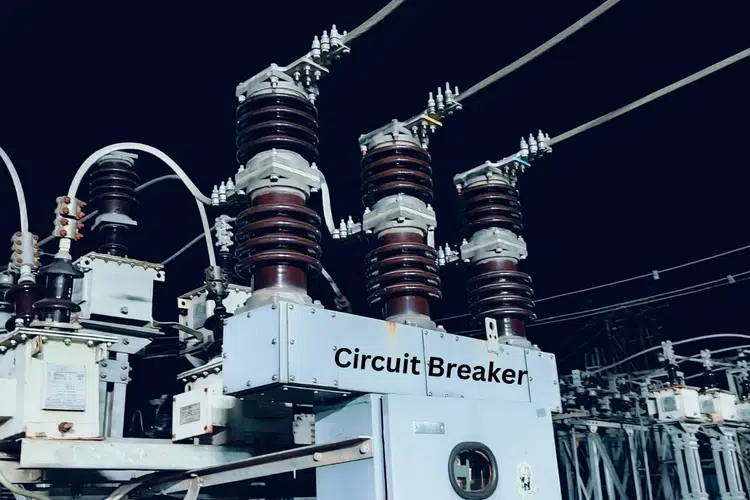
The primary purpose of a circuit breaker is to provide robust electrical fault protection. Faults can arise from numerous sources, such as lightning strikes, equipment failure, or physical damage to power lines, leading to dangerous conditions like short circuits and overloads. A circuit breaker is engineered to sense these anomalies in milliseconds.
Once a fault is detected, it trips, or opens the circuit, immediately stopping the flow of electricity. This rapid response is essential for preventing catastrophic damage to expensive equipment like transformers and generators, minimizing the risk of electrical fires, and ensuring the safety of personnel.
A key challenge in interrupting high-voltage electricity is managing the powerful electric arc that forms when the contacts separate. This is where an arc extinguishing medium comes into play. Different types of circuit breakers use various mediums—such as oil, air, a vacuum, or sulfur hexafluoride (SF6) gas—to cool and extinguish this arc safely, allowing the current to be cut off completely.
Beyond its automatic protective role, a circuit breaker also serves as a manual switch for load isolation. Maintenance crews can operate a circuit breaker in a substation to de-energize a specific part of the grid.
This allows them to perform repairs, inspections, or upgrades safely without shutting down the entire network. This dual functionality—automatic protection and manual control—makes the circuit breaker an indispensable component for maintaining a reliable and secure electrical power system.
What is Circuit Breaker in Substation Actually Made Of?
A circuit breaker is a massive mechanical switch. While designs vary based on their size and power rating, every breaker relies on a few universal components to get the job done.
Key Parts of Circuit breaker
Terminal Connectors: Electricity needs a clear path in and out of the device. The terminal connectors are the heavy-duty metal joints where the incoming power attaches to the breaker, and where the outgoing lines continue to the rest of the power grid.
Main Contacts: This is the absolute heart of the breaker. The main contacts dictate whether electricity flows or stops. They consist of two distinct parts:
- Fixed Contact: As the name suggests, this massive metal piece stays completely still. It connects directly to the incoming power line.
- Moving Contact: This part physically slides back and forth. Under normal conditions, it pushes tightly against the fixed contact to let electricity flow to the outgoing line. When the system detects a fault, this contact violently pulls away to physically break the circuit.
Operating Mechanism and Trip Coil: Moving heavy metal parts in a fraction of a millisecond takes serious power. The operating mechanism acts as the muscle of the breaker, using heavy-duty springs, compressed air, or hydraulic pressure to snap the moving contact open. A small but vital electromagnet called a trip coil serves as the trigger. When it receives a fault signal from a sensor, the trip coil instantly releases the stored mechanical energy to pull the contacts apart.
Arc Extinguishing Chamber: When the moving contact pulls away under a massive electrical load, the electricity refuses to stop easily. It jumps across the physical gap, creating a blinding, superheated plasma fire known as an arc. To survive this, the contacts sit inside a sealed chamber filled with an arc extinguishing medium, like oil, vacuum, or SF6 gas. This medium rapidly cools and smothers the fire in a crucial process called arc quenching.
Insulating Housing: Finally, we must keep the massive electrical currents safely contained. An advanced insulation system uses heavy porcelain or tough composite bushings to wrap around the live electrical parts. This housing ensures the dangerous voltage stays inside the breaker and never leaks into the metal frame or the ground below.
A circuit breaker is much more than a simple switch. It is a carefully balanced assembly of conductive contacts, powerful mechanical springs, arc-smothering chambers, and robust insulators. Understanding this physical structure helps us see exactly how these devices can safely interrupt massive amounts of raw energy in the blink of an eye.
What is the Role of Circuit Breaker in Substation
The role of circuit breakers in substations goes far beyond acting as a simple on-and-off switch. These heavy-duty machines serve as the active guardians of the entire power distribution system. They constantly monitor the flow of electricity, ready to spring into action the millisecond something goes wrong.
Primary Function of Operational Roles
The Protector: First and foremost, these units serve as primary substation protection devices. They rely on advanced relays for rapid fault detection. When a sensor identifies an abnormal surge in current, it sends an immediate signal to the breaker. The breaker’s contacts snap open, extinguishing the dangerous electrical arc and stopping the flow of power before it can wreak havoc down the line.
- The Controller: Substation breakers also function as dynamic controllers within the broader switchgear setup. Operators use them to manage the routing of electricity across different sections of the grid. By strategically opening and closing specific breakers, utilities can redirect power flows to balance heavy loads or route energy around damaged infrastructure.
- The Isolator: Routine maintenance is a mandatory part of running an electrical grid. Breakers perform essential load isolation by safely disconnecting specific circuits or equipment from the live power source. This allows maintenance crews to safely inspect, repair, or upgrade components without shutting down the entire facility.
What is the Purpose of Circuit Breaker in Electrical Substation
When millions of volts of electricity flow through a power grid, any disruption carries massive destructive potential. Circuit breakers exist to contain that destructive energy. They fulfill this purpose across three vital areas:
Preventing Severe Equipment Damage
Substations house incredibly expensive and delicate equipment, most notably massive power transformers. If a massive power surge travels through the network unchecked, it can literally melt the internal wiring of these transformers, leading to multi-million-dollar losses and months of repair time.
By providing immediate short-circuit protection, breakers intercept these violent energy spikes. They sacrifice the continuous flow of electricity to save the physical hardware that makes power generation possible.
Ensuring Absolute Personnel Safety
Electricity is inherently dangerous. For the engineers and utility workers operating inside a substation, safety is the ultimate priority. The purpose of a breaker is to ensure that when a physical fault occurs—such as a tree falling on a live wire or water breaching a secure enclosure—the system instantly neutralizes the threat.
By killing the power the moment a fault is detected, breakers prevent massive electrical explosions and deadly arc flashes, ensuring the team goes home safely at the end of their shift.
Maintaining Grid Stability
A single electrical fault has the potential to cause a cascading failure, wiping out power for entire cities or regions. Breakers exist to localize the damage. By instantly cutting power only to the specific affected area, they allow the rest of the power distribution system to function normally.
This precise containment is what guarantees long-term electrical grid reliability, ensuring that hospitals, businesses, and homes receive a steady, uninterrupted supply of energy even when parts of the network experience unexpected failures.
What is Function of Circuit Breaker in Electrical
The primary function of a circuit breaker is to provide automatic protection against dangerous electrical faults. It acts as an intelligent sentinel, constantly monitoring the electrical current. When it detects an abnormality, it performs an immediate current interruption. This protective function addresses two main types of hazards:
- Overload Protection: This occurs when a circuit is drawing more electrical current than it is designed to handle, often due to too many devices running simultaneously—the breaker trips to prevent wires from overheating, which could cause a fire.
- Short Circuit Protection: This is a more severe condition where a low-resistance path is created, causing a massive and near-instantaneous surge of current. The circuit breaker’s ability to trip in milliseconds is crucial for preventing catastrophic equipment damage, arc flashes, and widespread outages.
To achieve this rapid interruption, the breaker relies on protective relays to detect the fault and a mechanism for arc quenching. When the contacts separate, an electric arc forms, and the breaker must extinguish it safely to stop the flow of electricity completely.
Beyond its automatic role, a circuit breaker also has vital secondary functions that involve manual operation. As a versatile switching device, it provides essential control over the electrical system.
Secondary Functions Include:
- Manual Switching: Engineers and operators can manually open or close a circuit breaker to control the flow of power, similar to a standard switch but on a much larger scale.
- Load Isolation: For maintenance, repair, or upgrades, a specific piece of equipment or section of the grid must be de-energised. A circuit breaker allows for safe load isolation, disconnecting the component from the live power source and ensuring worker safety.
- System Reconfiguration: In a complex grid, operators use circuit breakers to reroute power, manage load distribution, and maintain stability during planned or unplanned events.
Which Type of Circuit Breaker used in Substation
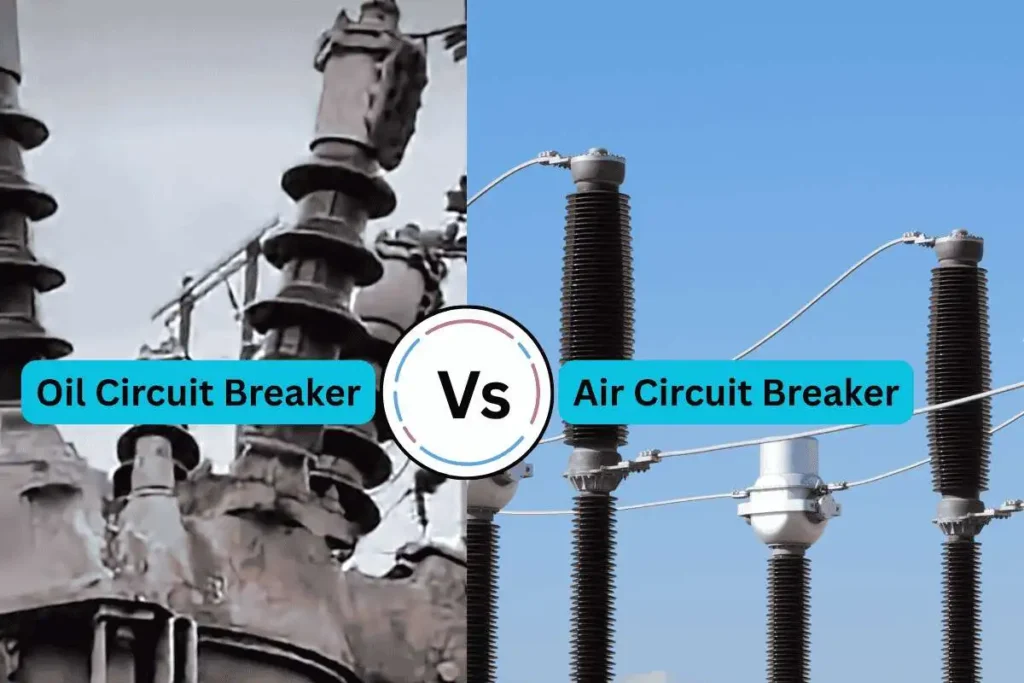
- Air Circuit Breaker (ACB): Uses air to extinguish the arc, suitable for low and medium-voltage applications.
- Oil Circuit Breaker (OCB): In an oil circuit breaker, oil is employed as the arc-quenching medium, commonly used in medium and high-voltage systems.
- Vacuum Circuit Breaker (VCB): In a vacuum circuit breaker, it extinguishes the arc in a vacuum chamber, ideal for medium voltage applications due to its reliability.
- SF6 Circuit Breaker: Uses sulfur hexafluoride gas for arc quenching, preferred for high voltage systems due to excellent insulation.
- Hybrid Circuit Breaker: It combines the features of different breakers, used for specialised high voltage applications.
- Miniature Circuit Breaker (MCB): Designed for low-voltage systems, protects against overloads and short circuits in small setups likes lighting load.
- Molded Case Circuit Breaker (MCCB): Handles higher current ratings than MCBs, with adjustable trip settings for low voltage systems likes lighting load.
FBy acting as an automatic fail-safe, these breakers protect millions of dollars of expensive infrastructure, including transformers and transmission lines, from catastrophic damage. Without them, a single localized fault could easily cascade, triggering widespread blackouts or severe electrical fires. They literally keep the lights on and keep utility workers safe.
Conclusion
A circuit breaker in a substation is far more than just a heavy-duty switch; it is the ultimate line of defence for our entire electrical power system. As we have explored throughout this guide, these essential substation protection devices form the very foundation of power grid safety.
Ultimately, the continuous flow of energy we depend on daily rests on the shoulders of these mechanical guardians. Without their constant monitoring and rapid response capabilities, long-term electrical grid reliability would be completely impossible to achieve.
By safeguarding expensive infrastructure and preventing cascading power failures, circuit breakers ensure that our homes, businesses, and essential services remain safely powered around the clock.
FAQ
-
Arc Chutes are Used in Which Circuit Breaker
Arc chutes are primarily used in Air Circuit Breakers (ACBs). They help in extinguishing the arc formed during the separation of contacts by cooling and splitting the arc into smaller segments, ensuring safe and efficient interruption of the current.
-
What Does a Circuit Breaker Do
A circuit breaker protects electrical systems by automatically interrupting the flow of electricity during faults like overloads or short circuits. It also serves as a manual switch for isolating circuits during maintenance, ensuring safety and preventing damage to equipment.
-
Can a Circuit Breaker be Reset after Tripping?
Yes, unlike electric fuses, circuit breakers can be reset manually after tripping, making them reusable and more convenient for maintaining electrical systems.
-
What Types of Faults Does a Circuit Breaker Protect Against?
A circuit breaker protects against overloads, short circuits, and ground faults, ensuring the safety and reliability of electrical systems.
-
What is Arc Quenching in a Circuit Breaker?
Arc quenching is the process of extinguishing the electrical arc that forms when the breaker’s contacts separate, ensuring safe interruption of the current.

I am an electrical engineer and also a blogger. I write informative blog posts on topics related to electrical and electronics engineering. If you are interested in these topics, you are welcome to my site to read these articles.