What is Short Circuit?
Understanding what is short circuit, and its implications is essential for maintaining electrical safety in homes and workplaces. A short-circuit can lead to severe consequences, such as fire hazards, equipment damage, and unexpected power outages. It often occurs due to issues like faulty wiring, overloaded circuits, or damaged insulation. In this article, you will learn how, by recognizing the risks and preventing short circuits, you can ensure the safety and efficiency of your electrical systems.
What is Short Circuit?
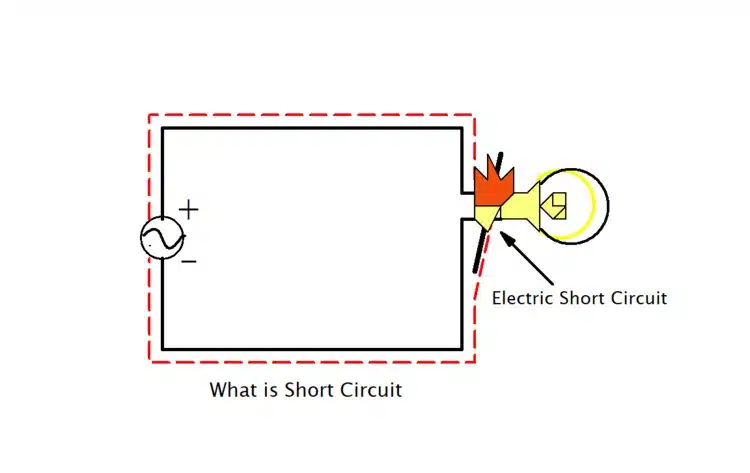
A short circuit occurs when an unintended connection forms between two points in an electrical circuit, allowing current to flow through an unintended path with little to no resistance. This sudden surge of current can cause overheating, damage to electrical components, and even fires. The short circuit meaning lies in this abnormal flow of electricity, which disrupts the normal functioning of the circuit.
Importance of Understanding Electric Short Circuit
Understanding an electric short circuit is crucial for ensuring the safety and efficiency of electrical systems. At the time of short-circuit, the electric current in the circuit increases sharply, which can lead to severe consequences if not addressed promptly. By knowing how and why circuit failiure occur, individuals can take preventive measures to protect their homes, workplaces, and electrical devices.
Risks and Consequences of Short Circuits
Electrical fault can pose several major hazards, including the following:
- Fire hazard: Sparks from a short-circuit can ignite nearby objects, leading to a dangerous fire.
- Damage to Electrical Devices: Appliances and equipment connected to the circuit may be damaged by a sudden surge in current.
- Power Outages: A short circuit can trip circuit breakers or blow electric fuses, causing power disruptions.
- Safety Hazards: In severe cases, electrical fault can result in electric shocks or injuries.
By understanding the short circuit meaning and its potential dangers, you can take proactive steps to prevent such incidents and ensure the safety of your electrical systems.
When Does an Electric Short Circuit Occur?
An electrical short circuit occurs when the flow of electricity deviates from its intended path due to a fault in the circuit. This typically happens when a live wire comes into direct contact with a neutral wire or any conductive material, creating a low-resistance path for the current. As a result, the circuit current increases rapidly, leading to overheating and potential damage.
Conditions Under Which a Short Circuit Happens
Several conditions can lead to an electrical short circuit, including:
- Damaged Insulation: Over time, the insulation on wires can wear out, exposing the conductors and increasing the risk of a circuit failiure.
- Faulty Appliances: Malfunctioning or poorly maintained electrical devices can cause internal wiring faults, leading to short-circuits.
- Loose Connections: Improperly connected wires or terminals can create sparks and result in a short circuit.
- Moisture or Water Exposure: Water can act as a conductor, causing unintended connections in electrical systems.
Examples of Scenarios Where Short Circuits Are Likely to Occur
- A frayed wire in an old appliance is causing sparks.
- Overloaded power strips or extension cords leading to overheating.
- Water seeps into electrical outlets during heavy rains or floods.
- Loose or exposed wiring in a switchboard or junction box.
Signs That Indicate a Short Circuit Might Have Occurred
Recognizing the signs of a short-circuit can help prevent further damage. Common indicators include:
- Tripped Circuit Breakers: A sudden power outage in a specific area often points to a electrical fault.
- Burning Smell: The smell of burning plastic or wires is a clear warning sign.
- Sparks or Smoke: Visible sparks or smoke near outlets or appliances indicate a serious issue.
- Discolored Outlets: Scorch marks or discoloration around outlets suggest overheating caused by a short circuit.
Causes of Short Circuit
An electric short circuit can occur due to various reasons, each posing a significant risk to electrical systems. Understanding these causes is essential to preventing hazards such as fires, equipment damage, and power outages. Below are the primary causes of short circuits:
1. Faulty Wiring
Improper or outdated wiring is one of the most common causes of an electric short circuit. Over time, wires can degrade, leading to exposed conductors or loose connections. Poorly installed wiring or the use of substandard materials can also increase the likelihood of a electrical fault. For example, old homes with aging electrical systems are particularly vulnerable to wiring-related issues.
2. Overloaded Circuits
When too many devices are connected to a single circuit, the circuit’s capacity can be exceeded, causing overheating. This excessive electrical load can melt the insulation around wires, leading to a circuit failiure. Overloaded circuits are often seen in homes where high-power appliances like air conditioners, heaters, or microwaves are used simultaneously on the same outlet.
3. Damaged Insulation
Wear and tear on wires can cause the protective insulation to break down, exposing the inner conductors. This exposure creates a direct path for current to flow between cables, resulting in a short circuit. Damaged insulation can result from aging, rodent activity, or physical damage during renovations or repairs.
4. Moisture or Water Exposure
Water is a good conductor of electricity, and its presence in electrical systems can lead to circuit failiure. Moisture can seep into outlets, switches, or wiring during heavy rains, floods, or plumbing leaks. For instance, outdoor electrical systems or appliances in damp areas, such as basements, are particularly prone to water-related short circuits.
5. Loose Connections
Poorly connected wires or terminals can create gaps that lead to arcing or sparks. Over time, these sparks can damage the insulation and cause a electrical fault. Loose connections are often found in switchboards, junction boxes, or improperly installed outlets.
By addressing these common causes, you can significantly reduce the risk of an electric short circuit. Regular maintenance, proper installation, and the use of high-quality materials are key to ensuring the safety and longevity of your electrical systems.
Why Short Circuit Happens
An electrical short circuit occurs when a direct connection is formed between the live and neutral wires, or between other conductive materials. This unintended connection causes a large amount of current to flow through the circuit, bypassing the electric resistance that typically regulates it. This results in overheating, which can lead to a short circuit fault, fire, or damage to electrical systems.
The Science Behind Short Circuits
In a properly functioning circuit, electricity flows through a controlled path, with resistance that regulates the current. However, during short-circuiting, the resistance drops drastically due to direct contact between wires or conductive materials. This sudden drop in resistance causes the current to spike, generating excessive heat. For example, a wire short caused by damaged insulation can lead to this dangerous situation.
Role of Resistance and Current Flow
Resistance plays a critical role in controlling the flow of electricity. When resistance is low, the current flow increases significantly. In the case of a short circuit electricity, the lack of resistance allows an uncontrolled surge of current, which can overheat wires, melt insulation, and even ignite nearby materials.
Common Mistakes or Negligence That Lead to Short Circuits
Several human errors or oversights can result in an electrical short circuit, including:
- Improper Wiring: Using substandard materials or incorrect installation methods can create vulnerabilities in the circuit.
- Damaged Insulation: Wear and tear, rodent activity, or physical damage can expose wires, increasing the risk of short circuits.
- Overloading Circuits: Plugging too many high-power devices into a single outlet can cause overheating and short circuiting.
- Neglecting Maintenance: Failing to inspect and maintain electrical systems regularly can allow minor issues, such as loose connections or moisture exposure, to escalate into serious problems.
- Water Exposure: Moisture in outlets or wiring can act as a conductor, leading to short-circuit electricity and potential hazards.
How to Prevent Short Circuits
Preventing an electric short circuit is essential to ensure the safety and longevity of your electrical systems. By taking proactive measures, you can minimize the risks of short circuiting, which can lead to fires, equipment damage, or power outages. Here are some practical ways to prevent short-circuits:
1. Regular Maintenance
Regular inspection and maintenance of electrical systems are crucial to prevent an electric short circuit. Over time, wires can degrade, connections can loosen, and insulation can wear out, increasing the risk of a wire short. Hiring a licensed electrician to inspect your wiring, outlets, and appliances periodically can help identify and fix potential issues before they escalate.
2. Use of Circuit Breakers and Fuses
Circuit breakers and fuses are essential safety devices that protect against electrical fault. They are designed to interrupt the flow of electricity when a surge or fault is detected, preventing overheating and potential fires. Ensure that your electrical system is equipped with high-quality circuit breakers and that fuses are replaced promptly when needed.
3. Proper Installation
Ensuring professional, safe wiring practices during installation is one of the most effective ways to prevent a electric short circuits. Poorly installed or substandard wiring can lead to loose connections, exposed wires, or improper grounding, all of which increase the likelihood of a circuit failiure. Always hire qualified electricians for installations and upgrades.
4. Avoid Overloading
Overloading circuits by plugging too many high-power devices into a single outlet can cause overheating and lead to a short-circuit. To distribute electrical load effectively:
- Use multiple outlets or power strips with surge protection.
- Avoid running numerous heavy appliances (e.g., air conditioners, electric heaters) on the same circuit.
- Check the circuit capacity and ensure it is not exceeded.
5. Keep Electrical Systems Dry
Water is a major contributor to short circuiting as it acts as a conductor, creating unintended paths for electricity. To prevent water-related short circuits:
- Keep outlets, switches, and wiring away from areas prone to moisture, such as bathrooms, kitchens, and basements.
- Use waterproof covers for outdoor outlets.
- Address leaks or water damage near electrical systems immediately.
By following these preventive measures, you can significantly reduce the risk of an electric short circuit and ensure the safety of your home or workplace. Regular maintenance, proper installation, and avoiding Overloading are key steps to protect against electrical fault and the dangers they pose.
Conclusion
Understanding what is short circuit and its potential risks is essential for maintaining electrical safety in any environment. A short circuit can lead to severe consequences, such as fires, equipment damage, and power outages, if not appropriately addressed. By identifying the causes, such as faulty wiring, overloaded circuits, or water exposure, and taking preventive measures like regular maintenance, proper installation, and using circuit breakers, you can significantly reduce the risk of short circuits. Prioritizing electrical safety not only protects your property but also ensures the well-being of everyone around. Always stay proactive and consult professionals to keep your electrical systems safe and efficient.
FAQ
What is a Short Circuit, and Why is it Dangerous?
An electrical fault occurs when an unintended connection forms between two points in an electrical circuit, allowing current to flow through an unintended path. This can lead to overheating, fires, or damage to electrical devices, making it highly dangerous.
What are the Common Causes of a Short Circuit?
Common causes include faulty wiring, damaged insulation, overloaded circuits, loose connections, and exposure to moisture or water.
How can I Identify if a Electrical Short Circuit has Occurred?
Signs of a short circuit include tripped circuit breakers, burning smells, sparks, or sudden power outages in specific areas of your home or building.
What should I do if I Suspect a Short-Circuit?
Immediately turn off the power supply to the affected area, avoid touching any exposed wires, and contact a licensed electrician to inspect and fix the issue.
How can I Prevent Short Circuits in my Home or Workplace?
Prevent electric short circuits by regularly maintaining electrical systems, using circuit breakers and fuses, avoiding overloading outlets, ensuring proper wiring, and keeping electrical components dry.

I am an electrical engineer and also a blogger. I write informative blog posts on topics related to electrical and electronics engineering. If you are interested in these topics, you are welcome to my site to read these articles.