When Does an Electric Short Circuit Occur
An electrical short circuit is a common but dangerous electrical problem that occurs when the flow of electricity deviates from its intended path due to a fault in the electrical circuit, such as damaged electrical wiring, loose connections, or direct contact between live and neutral wires. Understanding when does an electric short circuit occur is crucial for ensuring the safety of electrical systems in homes, workplaces, and industries. Short circuits can lead to severe consequences, including fires, equipment damage, and power outages, making it essential to know why they happen and how to prevent them.
What is a Short Circuit?
An electric short circuit occurs when current bypasses an appliance and flows through a low resistance path. This typically happens when a live wire comes into direct contact with a neutral wire or any conductive material, creating a low-resistance pathway. The short circuit meaning lies in this abnormal electricity flow, which disrupts normal functioning and causes a sudden surge of current.
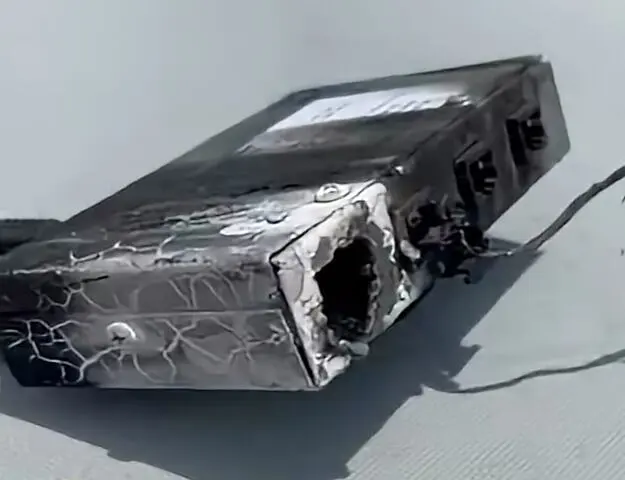
In a properly functioning circuit, resistance controls electricity flow, ensuring safety along the correct path. However, during a short circuit, the resistance drops dramatically, causing a lot of current to flow through the circuit. This can lead to overheating, wire melting, and even fires. For example, a short circuit electricity scenario might occur when the insulation on wires wears out, exposing the conductors and creating a direct connection.
Conditions Under Which an Electric Short Circuit Occurs
An electrical short circuit can cause overheating, equipment damage, or even fire. Below are some of the conditions that result in a short circuit:
Direct Contact Between Live and Neutral Wires
One of the most common causes of electric short circuits is direct contact between live and neutral wires. This can occur due to damaged insulation, loose connections, or improper wiring. When these wires touch, they create a low-resistance path, causing a sudden surge of current. This is a critical electrical fault that can lead to overheating and potential hazards.
Sudden Drop in Resistance in the Circuit
Electric resistance plays a vital role in regulating the flow of electricity. In a typical circuit, resistance ensures that the current flows safely through the intended path. However, during a short circuit, the resistance drops drastically, allowing an uncontrolled flow of current. This sudden drop in resistance is often caused by exposed wires, faulty appliances, or conductive materials coming into contact with the circuit. Such a power fault can result in significant damage to electrical systems.
Overloading of Electrical Systems
Overloading in an electrical circuit occurs when too many devices or appliances are connected to that circuit simultaneously, causing the load to exceed its capacity. This excessive load can cause wires to overheat, melting the insulation and leading to a sign of short circuit, such as sparks or tripped circuit breakers. Overloading is a common issue in homes where high-power appliances like air conditioners, heaters, or microwaves are used simultaneously on the same outlet.
Where do Short Circuits are Likely to Happen
Short circuits can occur in various everyday situations, often leading to dangerous outcomes like fires, equipment damage, or power outages. Understanding these scenarios can help you identify and prevent potential risks. Below are the most common situations where a short circuit house or system failure might occur:
Damaged Wiring
Frayed, old, or improperly installed wiring is one of the leading causes of short circuit electricity. Over time, wires can degrade due to wear and tear, rodent activity, or physical damage during renovations. When cable insulation breaks down, it exposes the conductors, increasing the risk of a short circuit current flowing through unintended paths. They are especially common in older houses that have outdated electrical systems.
Faulty Appliances
Appliances with internal wiring faults can also trigger a short circuit house scenario. For example, a damaged power cord or a malfunctioning motor inside an appliance can create a direct connection between live and neutral wires. Faulty appliances not only disrupt the flow of short circuit electricity but can also damage other devices connected to the same circuit.
Moisture or Water Exposure
Water is a good conductor of electricity, and its presence in electrical systems can lead to short circuit current. Moisture can seep into outlets, switches, or wiring due to leaks, flooding, or high humidity. For instance, outdoor electrical systems or appliances in damp areas like basements are particularly vulnerable to water-related short circuit electricity issues.
Overloaded Circuits
Plugging too many high-power devices into a single outlet or circuit can cause overheating and lead to a short circuit house. Overloading occurs when the electrical load exceeds the circuit’s capacity, melting the insulation on wires and creating a direct path for current to flow. This is a common issue in homes with multiple appliances, such as heaters, air conditioners, and microwaves, used simultaneously.
Loose Connections
Poorly connected wires or terminals can create gaps that lead to arcing or sparks. Over time, these sparks can damage the insulation and cause a short circuit current to flow. Loose connections are often found in switchboards, junction boxes, or improperly installed outlets, making them a frequent cause of short circuit electricity in homes and workplaces.
Signs That Indicate a Short Circuit
Detecting the signs of short circuit early is crucial to prevent potential hazards like fires, equipment damage, or power outages. A short circuit disrupts the normal flow of electricity, often leading to noticeable warning signs. Here are the most common indicators of an electrical short circuit:
Blowing of Fuse
Yes, frequent blowing of electric fuses is a strong sign of a short circuit. It indicates excessive current flow caused by a fault, such as damaged wiring, overloaded circuits, or faulty appliances. Immediate inspection and repair by a professional electrician are recommended to prevent further hazards.
Tripped Circuit Breakers
One of the first and most common signs of short circuit is a tripped circuit breaker. Circuit breakers are designed to cut off the flow of electricity when they detect an abnormal surge of current, which often occurs during an electric short circuit. If your breaker trips repeatedly, it’s a clear indication that there’s a fault in the circuit that needs immediate attention.
Burning Smell or Sparks
A burning smell near outlets, switches, or appliances is a serious warning sign of an electrical short circuit. This smell is often caused by overheated wires or melted insulation. In some cases, you may even notice sparks when plugging in or using an appliance, which is a clear indicator of a short circuit and should be addressed immediately to avoid further damage.
Discolored or Scorched Outlets
Outlets that appear discolored, scorched, or have burn marks are another visible sign of short circuit. This happens when the excessive heat generated by the electric short circuit damages the outlet’s surface. If you notice any such damage, it’s essential to stop using the outlet and have it inspected by a professional electrician.
Sudden Power Outages in Specific Areas
If a specific area of your home or workplace suddenly loses power while the rest of the system remains functional, it could be due to an electrical short circuit. This localized power outage often occurs when a short circuit disrupts the flow of electricity in a particular circuit, causing it to shut down.
Difference Between Short Circuiting and Overloading of Electric Circuit
| Short Circuit | Over Loading |
| A short circuit is a condition in which the resistance between two points in an electrical circuit suddenly becomes very low, causing an uncontrolled amount of electric current to flow. | Overloading is a condition in which more electrical equipment or load than required is connected to an electrical circuit, causing more current to flow in the circuit than its prescribed capacity. |
| This is usually caused by accidental contact of wires, old or damaged wiring, waterlogging, or malfunctioning electrical equipment. | This condition arises when many electrical equipment are run on the same circuit, which exceeds the current carrying capacity of the circuit. |
| Short circuits cause excessive sparks in the wires, which generate heat, which can cause fire or damage to the equipment. | Overloading generates heat in the wires, which may melt the insulation and increase the possibility of a short circuit or fire. |
| To avoid this, devices like fuses and circuit breakers are used, which immediately cut off the circuit when excessive current flows. | To protect against overloading, devices like fuses and circuit breakers are also used, which cut off the circuit when there is excessive load. |
Conclusion
Understanding when does an electric short circuit occur is essential for maintaining the safety and efficiency of your electrical systems. Short circuits can lead to serious consequences, such as fires, equipment damage, and power outages, if not addressed promptly. Prioritizing electrical safety through regular maintenance, proper installation, and avoiding overloading circuits is key to protecting your home or workplace. Always consult a licensed electrician for inspections and repairs to ensure your systems remain safe and reliable. Remember, a little caution today can prevent significant risks tomorrow!
FAQ
What is the most Common Cause of a Short Circuit?
The most common cause of a short circuit is damaged or frayed wiring, which exposes the conductors and allows direct contact between live and neutral wires, creating a low-resistance path for electricity.
How to find the cause of a Short Circuit
To find the cause of a electric short circuit:
- Check for Tripped Breakers: Identify which circuit is affected.
- Inspect Outlets and Appliances: Look for burn marks, sparks, or damaged cords.
- Examine Wiring: Check for frayed, exposed, or loose wires.
- Use a Multimeter: Test for continuity to locate faults.
What is a Short Circuit and Why is it Dangerous
A short circuit occurs when electricity flows through an unintended low-resistance path, bypassing the normal circuit. It is dangerous because it causes excessive current flow, leading to overheating, fires, equipment damage, and potential electrical shocks.
How to Detect a Electric Short Circuit in Electrical Wiring
To detect a short circuit in electrical wiring:
- Check for Tripped Breakers: A breaker tripping repeatedly signals a fault.
- Look for Burn Marks or Smells: Inspect outlets and switches for signs of overheating.
- Test with a Multimeter: Measure continuity to locate wiring faults.
- Inspect Wires: Look for frayed or exposed wiring.

I am an electrical engineer and also a blogger. I write informative blog posts on topics related to electrical and electronics engineering. If you are interested in these topics, you are welcome to my site to read these articles.